
Criminal Defense
Since 1993
Since 1993




By: John Guidry
Remember Arsenio Hall? Of course you do. Arsenio had this saying: “Things that make you go Hmmm!” (C+C Music Factory also had a hit song by the same name).
So, why would a Florida District Court of Appeal cite this bit of pop culture wisdom? I’ll tell you why. I’ve been defending criminal cases here in Orlando for over 18 years. After reading one bogus police report after another, Arsenio’s words ring true. It’s that gut reaction telling your brain, “I know this cop’s story is bogus, but how can I get the judge to recognize the bogosity?”
Did the police claim you “invited” them in to find your stash?
Don’t let them twist your words. Call John today at (407) 423-1117.
The appellate judge in Hernandez v. State (Fla. 4th DCA, Jan. 2012) had this exact “Arsenio Hall reaction” when he encountered a “Consent to Search” story that defied logic.
The Judicial Eye Roll: Judge May wasn’t buying the logic. In his opinion, he wrote:
“But one must wonder why, after twice telling the police to get a warrant, the defendant would invite law enforcement on his property, put the dog away, and kick down his own door to allow law enforcement to have a good look at his indoor marijuana grow room… As Arsenio Hall used to say, ‘Things that make you go Hmmm!’“
Despite recognizing the absurdity of the cop’s story, the Appeals Court affirmed the conviction.
This is a lesson for all Orlando criminal defense attorneys: You must give the trial court testimony regarding consent (or lack thereof). You cannot win a “He Said/She Said” if “He” never speaks.
Note: In 2012, Hernandez lost because he didn’t testify. In 2026, the camera testifies for him.
1. The “Body Cam” Verification In 2026, almost every encounter like the one in Hernandez is recorded.
2. The “Ring” Witness Most “Knock and Talk” encounters happen at the front door.
3. Testifying is Safer Now In Hernandez, the lawyer was likely afraid to put the client on the stand.
If the police are at your door, say “No.” Then say it again. And if they claim you said “Yes,” we will find the footage to prove them wrong.
Call me at (407) 423-1117. Let’s suppress the search.
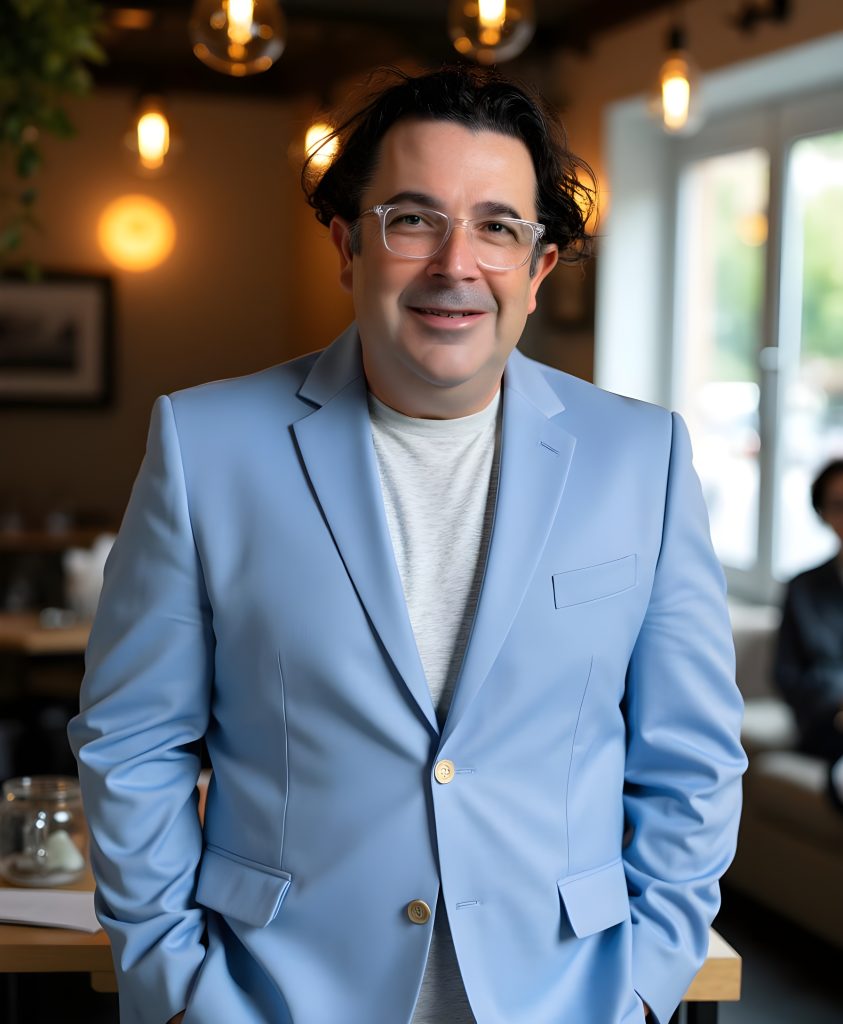
About John Guidry II
John Guidry II is a seasoned criminal defense attorney and founder of the Law Firm of John P. Guidry II, P.A., located in downtown Orlando next to the Orange County Courthouse, where he has practiced for over 30 years. With more than three decades of experience defending clients throughout Central Florida since 1993, Guidry has successfully defended thousands of cases in Orange, Seminole, Osceola, Brevard, Lake, and Volusia counties. He has built a reputation for his strategic approach to criminal defense, focusing on pretrial motions and case dismissals rather than jury trials.
Guidry earned both his Juris Doctorate and Master of Business Administration from St. Louis University in 1993. He is a member of the Florida Bar and the Florida Association of Criminal Defense Lawyers. His practice encompasses the full spectrum of Florida state criminal charges, with a particular emphasis on achieving favorable outcomes through thorough pretrial preparation and motion practice.
Beyond the courtroom, Guidry is a prolific legal educator who has authored over 400 articles on criminal defense topics. He shares his legal expertise through his popular YouTube channel, Instagram, and TikTok accounts, where he has built a substantial following of people eager to learn about the law. His educational content breaks down complex legal concepts into accessible information for the general public.
When not practicing law, Guidry enjoys tennis and pickleball, and loves to travel. Drawing from his background as a former recording studio owner and music video producer in the Orlando area, he brings a creative perspective to his legal practice and continues to apply his passion for video production to his educational content.