
Criminal Defense
Since 1993
Since 1993




By: John Guidry
There are plenty of bumper stickers here in Orlando that exclaim the universal truth: “Stuff Happens.” So, how does a simple accident turn into an arrest?
The Missing Element: Basically, Criminal Mischief is the intentional infliction of property damage. The damage must be caused maliciously. This element is often overlooked by inexperienced police and prosecutors. They think if you broke it, you bought it (and you go to jail). But legally, an accident—even a stupid one—is not a crime.
Did you get arrested because an accident caused expensive damage?
Negligence is not a crime. Call John today at (407) 423-1117.
Let’s look at the real-life example found in T.D.B. v. State, 85 So. 3d 1212 (Fla. 1st DCA 2012).
The Trial: The State called a witness who saw him playing with the weight. A second witness testified that T.D.B. immediately said it was an accident.
The Appellate Court overturned the conviction.
The Lesson: I have been trying to tell prosecutors this for years: Proof of damage is meaningless without proof of malice.
Boring Side Note: Accidents are just physics. The Second Law of Thermodynamics states that entropy (disorder) increases over time. Things break. Matter falls into disorder.
Note: In 2012, T.D.B. was just a kid playing. In 2026, prosecutors assume every kid is filming a prank.
1. The “Viral Challenge” Investigation In 2026, if a juvenile damages property (like breaking a fence or smashing a soap dispenser), the first thing the School Resource Officer does is check TikTok/Reels.
2. AI Body Language Analysis Surveillance cameras are now smart.
3. “Smart” Property Logs In the T.D.B. case, it was just a weight. Today, the weight might be a “Smart Dumbbell” or the pool might have “Impact Sensors.”
If you broke something by mistake, you might owe the owner money, but you do not owe the State jail time. Don’t let them confuse “Clumsy” with “Criminal.”
Call me at (407) 423-1117. Let’s prove it was an accident.
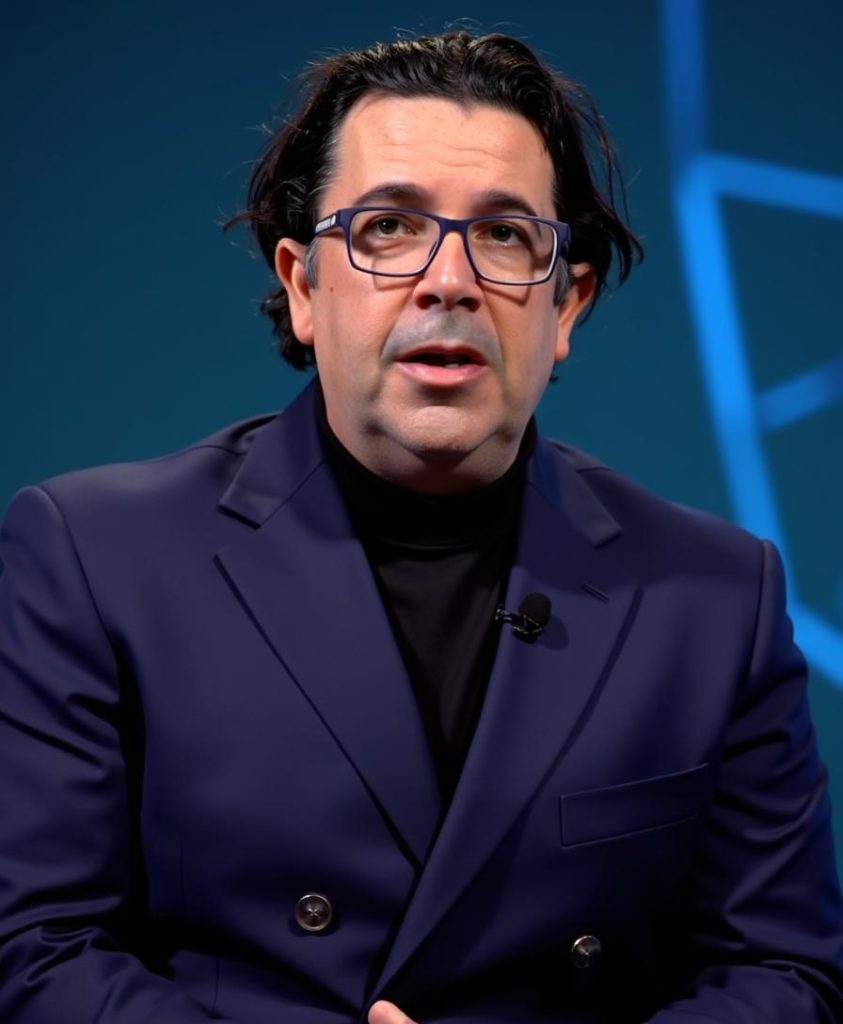
About John Guidry II
John Guidry II is a seasoned criminal defense attorney and founder of the Law Firm of John P. Guidry II, P.A., located in downtown Orlando next to the Orange County Courthouse, where he has practiced for over 30 years. With more than three decades of experience defending clients throughout Central Florida since 1993, Guidry has successfully defended thousands of cases in Orange, Seminole, Osceola, Brevard, Lake, and Volusia counties. He has built a reputation for his strategic approach to criminal defense, focusing on pretrial motions and case dismissals rather than jury trials.
Guidry earned both his Juris Doctorate and Master of Business Administration from St. Louis University in 1993. He is a member of the Florida Bar and the Florida Association of Criminal Defense Lawyers. His practice encompasses the full spectrum of Florida state criminal charges, with a particular emphasis on achieving favorable outcomes through thorough pretrial preparation and motion practice.
Beyond the courtroom, Guidry is a prolific legal educator who has authored over 400 articles on criminal defense topics. He shares his legal expertise through his popular YouTube channel, Instagram, and TikTok accounts, where he has built a substantial following of people eager to learn about the law. His educational content breaks down complex legal concepts into accessible information for the general public.
When not practicing law, Guidry enjoys tennis and pickleball, and loves to travel. Drawing from his background as a former recording studio owner and music video producer in the Orlando area, he brings a creative perspective to his legal practice and continues to apply his passion for video production to his educational content.