
Criminal Defense
Since 1993
Since 1993
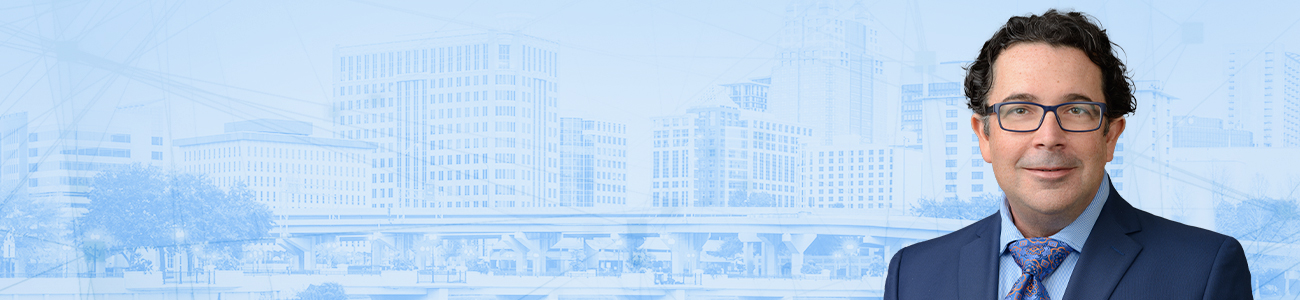



By: John Guidry
Have you ever met that “perfect couple”? The ones who are so happy they make you suspicious? When they finally break up, a wave of joy washes over you. In German, this feeling is called “Schadenfreude”—taking joy in someone else’s failure. We love simple explanations for these breakups: “She cheated,” or “He’s a narcissist.” But reducing a complex situation to one word is rarely accurate.
The same is true in criminal law. One of the things I’ve begun to question after 26 years of defending cases is the tiny, convenient “facts” police pepper throughout their arrest reports to make a complex situation look simple. The case we are discussing today, Thomas v. State, 44 Fla. L. Weekly D 1263 (Fla. 2d DCA 2019), is a prime example of this police magic.
Did the police find drugs in a room you share with others?
You are not automatically guilty. Call John today at (407) 423-1117.
The Facts: Police received an anonymous tip that drugs were being sold at Rondre Thomas’s home. They executed a search warrant and found a stash of heroin and cocaine in a bedroom.
The “Convenient” Evidence: How did police know the bedroom belonged to Rondre?
The Twist: It looked like an open-and-shut case. But then, Rondre’s mom took the stand. She explained that she and her six children lived in that home. Everyone had access to that bedroom, including Rondre’s girlfriend. Police also found women’s clothing and shoes in that same room.
Because the drugs weren’t in Rondre’s pocket (Actual Possession) and the room was shared (Joint Occupancy), the State had to prove Constructive Possession.
The “Independent Proof” Requirement: In a shared room, the State cannot assume the drugs are yours just because your stuff is there. They need Independent Proof linking you to the drugs, such as:
The Appeals Court threw out the conviction.
Note: In 2019, Rondre won because the police didn’t use science. In 2026, they do.
1. “Touch DNA” is Now Standard In Thomas, I noted the lack of scientific evidence.
2. Digital Constructive Possession (Bluetooth & WiFi) Police now use your phone to prove you “controlled” the room.
3. Smart Home “Witnesses” In 2026, the “Witness” isn’t always a person.
Constructive possession cases are won or lost on the details. If the State is trying to pin a roommate’s contraband on you just because your mail was on the table, we can fight it.
Call me at (407) 423-1117. Let’s create some “Schadenfreude” for the prosecutor.
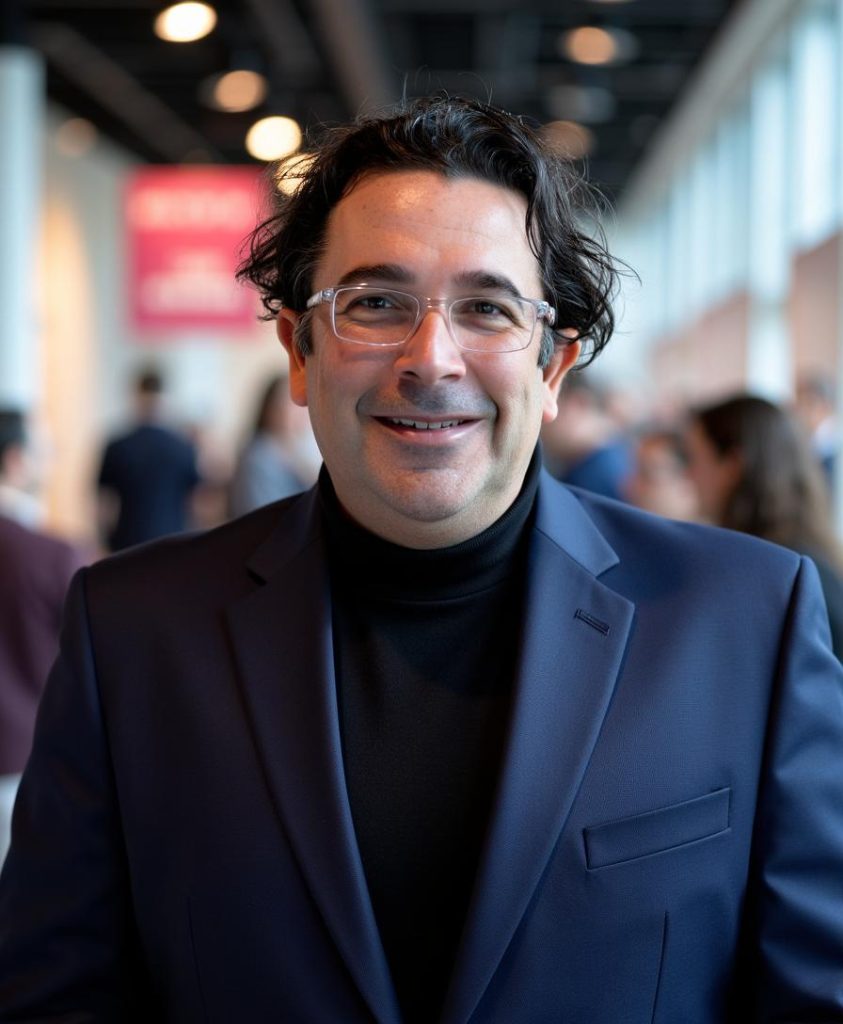
About John Guidry II
John Guidry II is a seasoned criminal defense attorney and founder of the Law Firm of John P. Guidry II, P.A., located in downtown Orlando next to the Orange County Courthouse, where he has practiced for over 30 years. With more than three decades of experience defending clients throughout Central Florida since 1993, Guidry has successfully defended thousands of cases in Orange, Seminole, Osceola, Brevard, Lake, and Volusia counties. He has built a reputation for his strategic approach to criminal defense, focusing on pretrial motions and case dismissals rather than jury trials.
Guidry earned both his Juris Doctorate and Master of Business Administration from St. Louis University in 1993. He is a member of the Florida Bar and the Florida Association of Criminal Defense Lawyers. His practice encompasses the full spectrum of Florida state criminal charges, with a particular emphasis on achieving favorable outcomes through thorough pretrial preparation and motion practice.
Beyond the courtroom, Guidry is a prolific legal educator who has authored over 400 articles on criminal defense topics. He shares his legal expertise through his popular YouTube channel, Instagram, and TikTok accounts, where he has built a substantial following of people eager to learn about the law. His educational content breaks down complex legal concepts into accessible information for the general public.
When not practicing law, Guidry enjoys tennis and pickleball, and loves to travel. Drawing from his background as a former recording studio owner and music video producer in the Orlando area, he brings a creative perspective to his legal practice and continues to apply his passion for video production to his educational content.