
Criminal Defense
Since 1993
Since 1993



By: John Guidry
“The drugs in my car were the passenger’s, not mine.” Good news: I believe you. Better news: This is a winning defense.
The scenario is common in Orlando: Cops stop a vehicle for illegal tint or a loud stereo. Much to their surprise, they find drugs in the car. There are many factors at play, but the most important question in a vehicular drug case is simple: How many people were in the car?
If there were several people in the car, the vehicle is considered “Jointly Occupied.” This triggers the legal standard of Constructive Possession, and that is very good news for the defendant.
Was there a passenger in the car when the drugs were found?
The State can’t just guess who owned them. Call John today at (407) 423-1117.
In a Constructive Possession case (where the drugs aren’t in your pocket), the State must prove three elements beyond a reasonable doubt (J.S.M. v. State, 944 So. 2d 1143):
The “Joint Occupancy” Shield: In a car with multiple people, the law says knowledge and control cannot be inferred. The State needs independent proof (like fingerprints, DNA, or a confession) to link the drugs to you.
Let’s break down where the State wins and where they lose. The Easy Part (Knowledge): If the drugs are on the dashboard or center console, the State can easily prove you knew they were there because they were in “Plain View.”
The Hard Part (Control): However, just because you see it doesn’t mean you control it. In Martoral, the court ruled that Control cannot be inferred just because you could reach it.
“Knowledge of the presence of the drugs and the ability to exercise dominion and control over the drugs are not the same thing.”
If the passenger could also reach the dashboard, the State has to prove it was yours and not his. Without a confession, they often can’t do that.
Note: In the past, silence was enough. In 2026, your body language and the substance itself matter more.
1. The “Furtive Movement” Trap (Body Cams) In 2026, every officer wears a high-definition Body Cam.
2. The Hemp vs. Marijuana Problem (Element #3) The State must prove you knew the substance was illicit.
3. Touch DNA For simple possession, the State rarely tests for DNA. But for Trafficking amounts (especially Fentanyl), they will swab the baggie.
Constructive possession cases are almost impossible for the State to win unless you talk. If you admit, “I knew he had it,” or “We were sharing it,” you just gave them the evidence they were missing.
Call me at (407) 423-1117. Let’s make the State prove it.
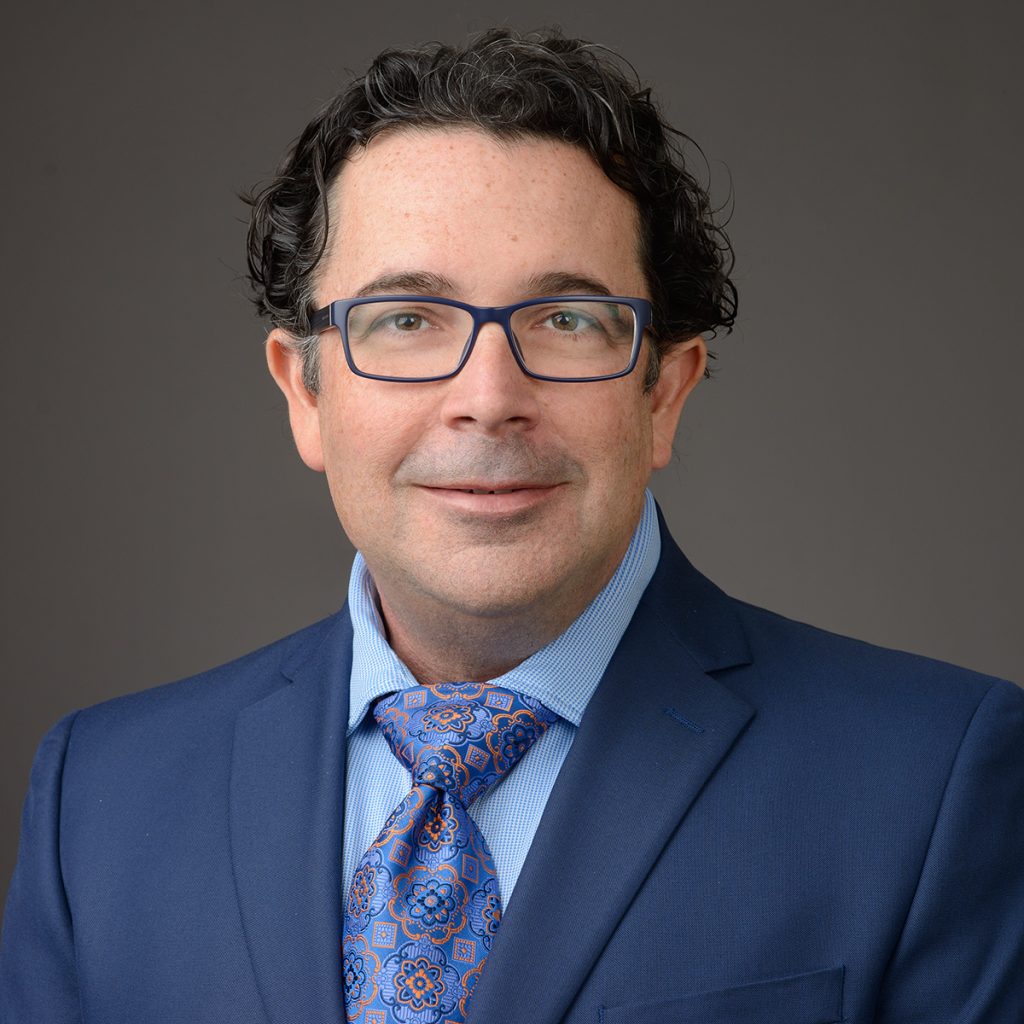
About John Guidry II
John Guidry II is a seasoned criminal defense attorney and founder of the Law Firm of John P. Guidry II, P.A., located in downtown Orlando next to the Orange County Courthouse, where he has practiced for over 30 years. With more than three decades of experience defending clients throughout Central Florida since 1993, Guidry has successfully defended thousands of cases in Orange, Seminole, Osceola, Brevard, Lake, and Volusia counties. He has built a reputation for his strategic approach to criminal defense, focusing on pretrial motions and case dismissals rather than jury trials.
Guidry earned both his Juris Doctorate and Master of Business Administration from St. Louis University in 1993. He is a member of the Florida Bar and the Florida Association of Criminal Defense Lawyers. His practice encompasses the full spectrum of Florida state criminal charges, with a particular emphasis on achieving favorable outcomes through thorough pretrial preparation and motion practice.
Beyond the courtroom, Guidry is a prolific legal educator who has authored over 400 articles on criminal defense topics. He shares his legal expertise through his popular YouTube channel, Instagram, and TikTok accounts, where he has built a substantial following of people eager to learn about the law. His educational content breaks down complex legal concepts into accessible information for the general public.
When not practicing law, Guidry enjoys tennis and pickleball, and loves to travel. Drawing from his background as a former recording studio owner and music video producer in the Orlando area, he brings a creative perspective to his legal practice and continues to apply his passion for video production to his educational content.