
Criminal Defense
Since 1993
Since 1993




By: John Guidry
Self-help is everywhere. But which approach works best?
Is it our actions that change us, or our thoughts? Probably both. But as a criminal defense attorney, I will say this: Sometimes, the best way to help yourself is to “NOT” do something. Most of my clients could have saved themselves if they had just refrained from doing something—specifically, helping the police build a case against them.
Did the police force you to perform an “act” to prove your guilt?
You have rights against self-incrimination. Call John today at (407) 423-1117.
We Americans have a privilege against incriminating ourselves (5th Amendment). You know the drill: “You have the right to remain silent.” But does this right protect you from being forced to perform acts?
Georgia’s “Action” Protection: Georgia’s Constitution is far more protective than the federal one. It protects citizens not just from forced testimony, but from forced acts.
In Olevik, the Court ruled that citizens cannot be forced to blow into a breathalyzer. Why? Because blowing is an “unnatural act.”
The Logic:
The Result: Because it requires your active cooperation to generate the evidence, the Georgia Court ruled that the State cannot compel you to do it.
Note: The Olevik ruling was a win for privacy, but technology has found a way around it.
1. The “Passive Alcohol Sensor” (PAS) The Olevik court dropped a hint: “If the State sought to capture… naturally exhaled breath, this might well be a different case.”
2. Instant Electronic Warrants In 2026, the “Refusal” game is dangerous.
3. Florida is Still Behind While Georgia protects against “Compelled Acts” (like handwriting or deep breathing), Florida still generally follows the federal standard.
Whether it’s your thoughts or your actions that define you, in a legal case, it is your silence that saves you. Do not help them build the machine that convicts you.
Call me at (407) 423-1117. Let’s analyze the stop.
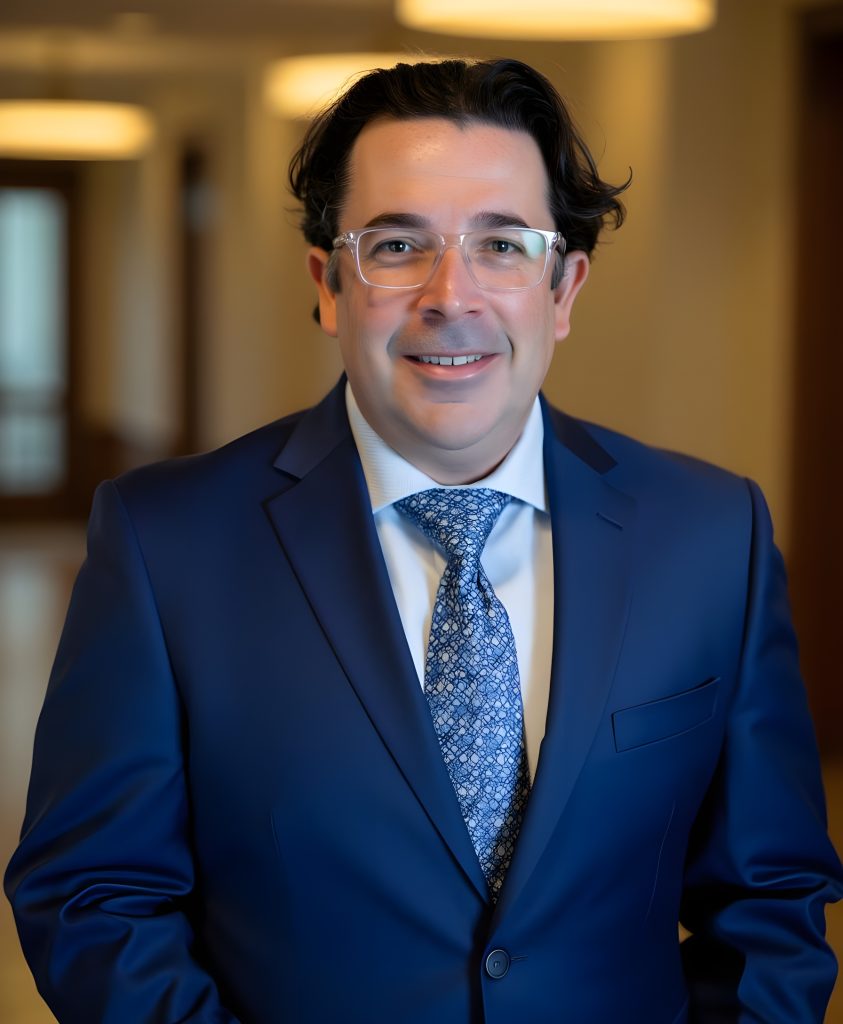
About John Guidry II
John Guidry II is a seasoned criminal defense attorney and founder of the Law Firm of John P. Guidry II, P.A., located in downtown Orlando next to the Orange County Courthouse, where he has practiced for over 30 years. With more than three decades of experience defending clients throughout Central Florida since 1993, Guidry has successfully defended thousands of cases in Orange, Seminole, Osceola, Brevard, Lake, and Volusia counties. He has built a reputation for his strategic approach to criminal defense, focusing on pretrial motions and case dismissals rather than jury trials.
Guidry earned both his Juris Doctorate and Master of Business Administration from St. Louis University in 1993. He is a member of the Florida Bar and the Florida Association of Criminal Defense Lawyers. His practice encompasses the full spectrum of Florida state criminal charges, with a particular emphasis on achieving favorable outcomes through thorough pretrial preparation and motion practice.
Beyond the courtroom, Guidry is a prolific legal educator who has authored over 400 articles on criminal defense topics. He shares his legal expertise through his popular YouTube channel, Instagram, and TikTok accounts, where he has built a substantial following of people eager to learn about the law. His educational content breaks down complex legal concepts into accessible information for the general public.
When not practicing law, Guidry enjoys tennis and pickleball, and loves to travel. Drawing from his background as a former recording studio owner and music video producer in the Orlando area, he brings a creative perspective to his legal practice and continues to apply his passion for video production to his educational content.