
Criminal Defense
Since 1993
Since 1993




By: John Guidry
When I was growing up, all kinds of kids got picked on. Middle school was a hotbed of harassment. Fat kids. Skinny kids. Freckles. Back then, we didn’t have fancy terms for it. Bullying just existed.
The Reality: Cops can be bullies as well. Nowhere is this more evident than in their treatment of the drug-addicted masses. If you have a disease that causes your brain to crave a chemical, law enforcement will transform that addiction into a prison sentence.
Did the police buy drugs from you 5 times before arresting you?
That might be Sentencing Manipulation. Call John today at (407) 423-1117.
Our case for today examines just how far the police can go. In State v. Johnson, 2017 Fla.App.LEXIS 11687 (Fla. 2d DCA 2017), the defendant was a drug addict selling to support his habit.
The Trap: The police had him cold. They could have arrested him right then. But they didn’t. They knew they had a desperate addict on their hands. Why not rack up a few more felonies?
The Result: Instead of one charge, Johnson faced six felony counts. Not a lot of drugs were moved, but a whole lot of prison time was stacked up.
Why wait? If a drug dealer is a threat to society, shouldn’t you arrest him immediately? (We wouldn’t let a terrorist walk free just to see what he does next). When the defense accused the officers of Sentencing Manipulation, the cops made up excuses:
The Truth: The Court didn’t buy it.
So, what is the legal term for wasting taxpayer dollars to torment an addict? Sentencing Manipulation. This occurs when there is no legitimate reason for continuing to purchase drugs other than to increase the potential sentence.
The Win: The Johnson court found that these officers committed sentencing manipulation.
Note: In 2017, they stacked charges to get more “counts.” In 2026, they stack buys to hit “Trafficking Weight.”
1. The “Aggregate Weight” Trap In 2026, the game has changed due to Fentanyl laws.
2. 4K Body Cams Kill the “Bad Video” Excuse In Johnson, the cops claimed they needed “better video.”
3. “Death by Distribution” Fear Police often claim they keep buying to find the “source” to prevent overdoses.
Addiction is a disease, not a game for police to rack up points. If they waited to arrest you just to ensure you’d go to prison forever, we can fight back.
Call me at (407) 423-1117. Let’s expose the manipulation.
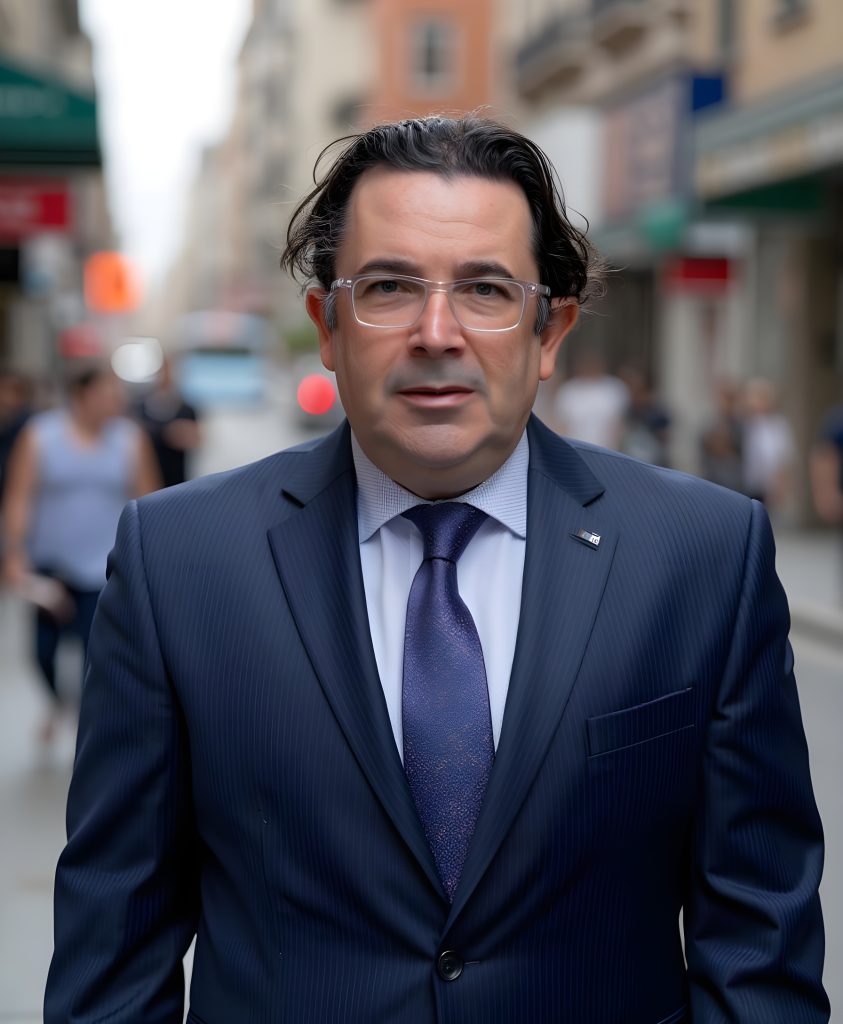
About John Guidry II
John Guidry II is a seasoned criminal defense attorney and founder of the Law Firm of John P. Guidry II, P.A., located in downtown Orlando next to the Orange County Courthouse, where he has practiced for over 30 years. With more than three decades of experience defending clients throughout Central Florida since 1993, Guidry has successfully defended thousands of cases in Orange, Seminole, Osceola, Brevard, Lake, and Volusia counties. He has built a reputation for his strategic approach to criminal defense, focusing on pretrial motions and case dismissals rather than jury trials.
Guidry earned both his Juris Doctorate and Master of Business Administration from St. Louis University in 1993. He is a member of the Florida Bar and the Florida Association of Criminal Defense Lawyers. His practice encompasses the full spectrum of Florida state criminal charges, with a particular emphasis on achieving favorable outcomes through thorough pretrial preparation and motion practice.
Beyond the courtroom, Guidry is a prolific legal educator who has authored over 400 articles on criminal defense topics. He shares his legal expertise through his popular YouTube channel, Instagram, and TikTok accounts, where he has built a substantial following of people eager to learn about the law. His educational content breaks down complex legal concepts into accessible information for the general public.
When not practicing law, Guidry enjoys tennis and pickleball, and loves to travel. Drawing from his background as a former recording studio owner and music video producer in the Orlando area, he brings a creative perspective to his legal practice and continues to apply his passion for video production to his educational content.