
Criminal Defense
Since 1993
Since 1993




By: John Guidry
There are plenty of defenses to criminal accusations.
But one of the most difficult defenses to mount is Duress. The essence of it involves an admission: “Yes, I committed the crime… but I was forced to.” As you would expect, such a defense leads to skeptical questions: “Really? Who forced you? Why didn’t you just call the police?”
Were you forced to commit a crime to save yourself or your family?
Duress is a valid legal defense. Call John today at (407) 423-1117.
Let’s look at Stannard v. State, 113 So. 3d 929 (Fla. 5th DCA 2013). The Charge: Trafficking in Oxycodone (15-year Minimum Mandatory prison sentence).
The Story: Stannard was hooked on Oxycodone (a common story). He amassed a debt to a dealer named “Pops.”
The Trial Error: At trial, the Judge (a fine judge, usually) denied the request to give the jury a “Duress” instruction.
The Appeals Court overturned the conviction and ordered a new trial. Why? Because in Florida, a defendant is entitled to a jury instruction on his theory of defense if there is any evidence to support it.
Winning the appeal was great, but Stannard still had to prove Duress to a jury. To win, you must prove six elements:
The Trap: If you had a cell phone in your pocket and didn’t call 911 while inside the Walgreens, the State will argue you failed Element #4 (“No way to avoid”).
Note: In 2013, Stannard’s word was his only evidence. In 2026, we have technology to prove the threat.
1. Proving “Imminence” with Data The hardest part of Duress is proving the threat was “Imminent.”
2. The “Human Trafficking” Defense (F.S. 787.06) Florida laws have expanded to protect victims of trafficking who are forced to commit crimes.
3. “Coercive Control” in Domestic Cases Thanks to laws like the Gabby Petito Act (2024), Florida courts now recognize “Coercive Control” as a form of violence.
Duress is a tough defense, but it exists for a reason. If you were forced to act against your will, you lacked the “Criminal Intent” required for a conviction.
Call me at (407) 423-1117. Let’s tell your side of the story.
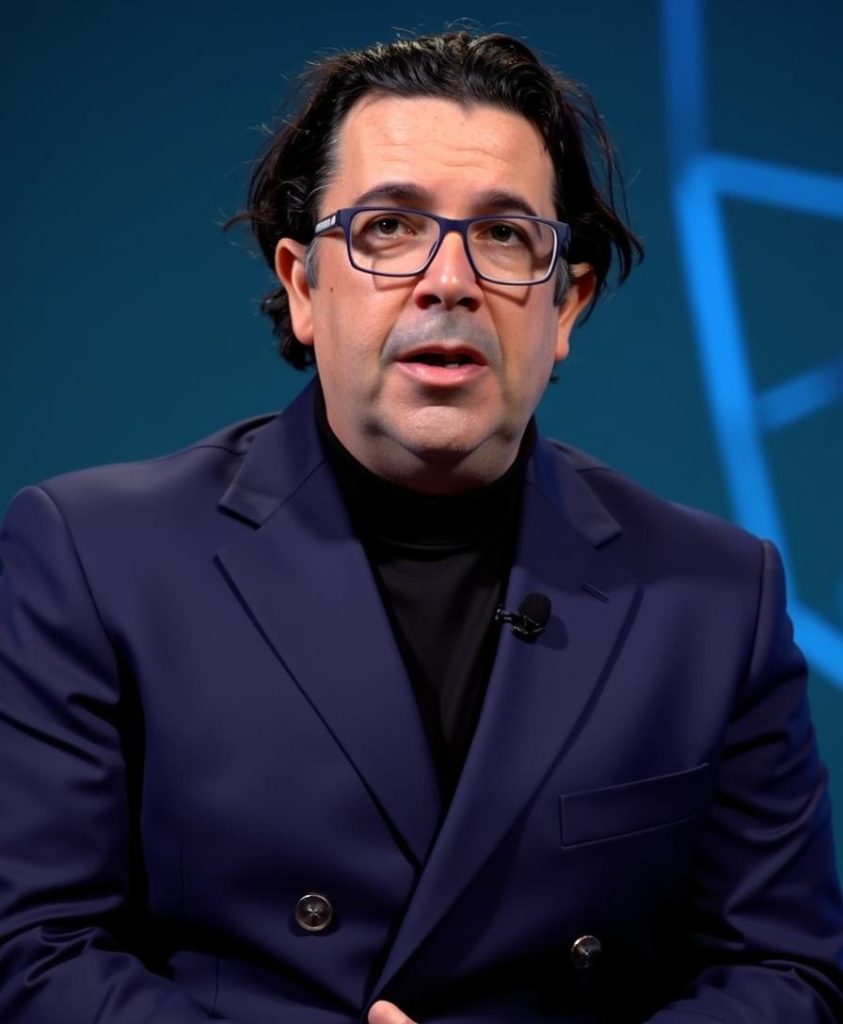
About John Guidry II
John Guidry II is a seasoned criminal defense attorney and founder of the Law Firm of John P. Guidry II, P.A., located in downtown Orlando next to the Orange County Courthouse, where he has practiced for over 30 years. With more than three decades of experience defending clients throughout Central Florida since 1993, Guidry has successfully defended thousands of cases in Orange, Seminole, Osceola, Brevard, Lake, and Volusia counties. He has built a reputation for his strategic approach to criminal defense, focusing on pretrial motions and case dismissals rather than jury trials.
Guidry earned both his Juris Doctorate and Master of Business Administration from St. Louis University in 1993. He is a member of the Florida Bar and the Florida Association of Criminal Defense Lawyers. His practice encompasses the full spectrum of Florida state criminal charges, with a particular emphasis on achieving favorable outcomes through thorough pretrial preparation and motion practice.
Beyond the courtroom, Guidry is a prolific legal educator who has authored over 400 articles on criminal defense topics. He shares his legal expertise through his popular YouTube channel, Instagram, and TikTok accounts, where he has built a substantial following of people eager to learn about the law. His educational content breaks down complex legal concepts into accessible information for the general public.
When not practicing law, Guidry enjoys tennis and pickleball, and loves to travel. Drawing from his background as a former recording studio owner and music video producer in the Orlando area, he brings a creative perspective to his legal practice and continues to apply his passion for video production to his educational content.