
Criminal Defense
Since 1993
Since 1993




By: John Guidry
The waiting is the hardest part, according to Tom Petty. I get quite a few calls from folks wondering how long it will be before the State files charges against them. I always say: If you wait around to see what the government is going to do to you, expect the worst.
The government is not your friend. They are a machine designed to rack up convictions. If you haven’t hired an attorney to plead your case before the prosecutor makes a filing decision, the only evidence they see is the biased police report.
Are you waiting to see if charges will be filed?
Stop waiting. Evidence is disappearing. Call John today at (407) 423-1117.
If you are proactive, good things happen. If you wait, bad things happen. Why? Because defense evidence is slipping away every hour you wait.
I had a trial recently where two eyewitnesses were intentionally ignored by the police because their story didn’t fit the narrative. Had we been hired earlier, we could have presented them to the prosecutor before charges were filed. Timing is everything.
A common question is: “How long does the state have to file charges after an arrest?” The answer lies in Florida’s Speedy Trial Rule (Rule 3.191(a)):
Let’s see how this works in the case of State v. Borko, 2015 Fla. App. LEXIS 12400 (Fla. 2nd DCA 2015).
The Facts: Borko was arrested for Grand Theft (a Felony) regarding a stolen bicycle.
The Problem: It was Day 100. The limit for a misdemeanor is 90 days.
The Defense Strategy: Borko’s attorney filed a “Notice of Expiration of Speedy Trial.” The State argued that because the case started as a felony, they should have more time.
The Ruling: The Court dismissed the case. Once the State dropped the felony and refiled as a misdemeanor, they were bound by the 90-day misdemeanor rule. Since they filed on Day 100, they were too late. Borko walked free.
The Prosecutor’s Blunder: This was a tactical error. A smart prosecutor would have waited for the Defense to file a Motion to Dismiss the felony. Under the rules, if the Defense moves to dismiss/reduce, the State gets an extension to file the misdemeanor. By doing it voluntarily, the prosecutor killed his own case.
Note: In 2015, we worried about 30-day dispatch tapes. In 2026, evidence vanishes in 7 days.
1. The “Ring” Camera Problem Private surveillance is the #1 way we prove innocence in 2026.
2. “Tolling” Orders (The Hurricane Exception) While the 90/175 day rules still exist, the Florida Supreme Court frequently issues Administrative Orders suspending (tolling) speedy trial rules during emergencies.
3. The AI Prosecutor In 2026, many State Attorney’s Offices use AI software to screen cases for filing.
If you sit back and wait for the State to decide your fate, you are giving up your biggest advantage: Time.
Call me at (407) 423-1117. Let’s get to work before the clock runs out.
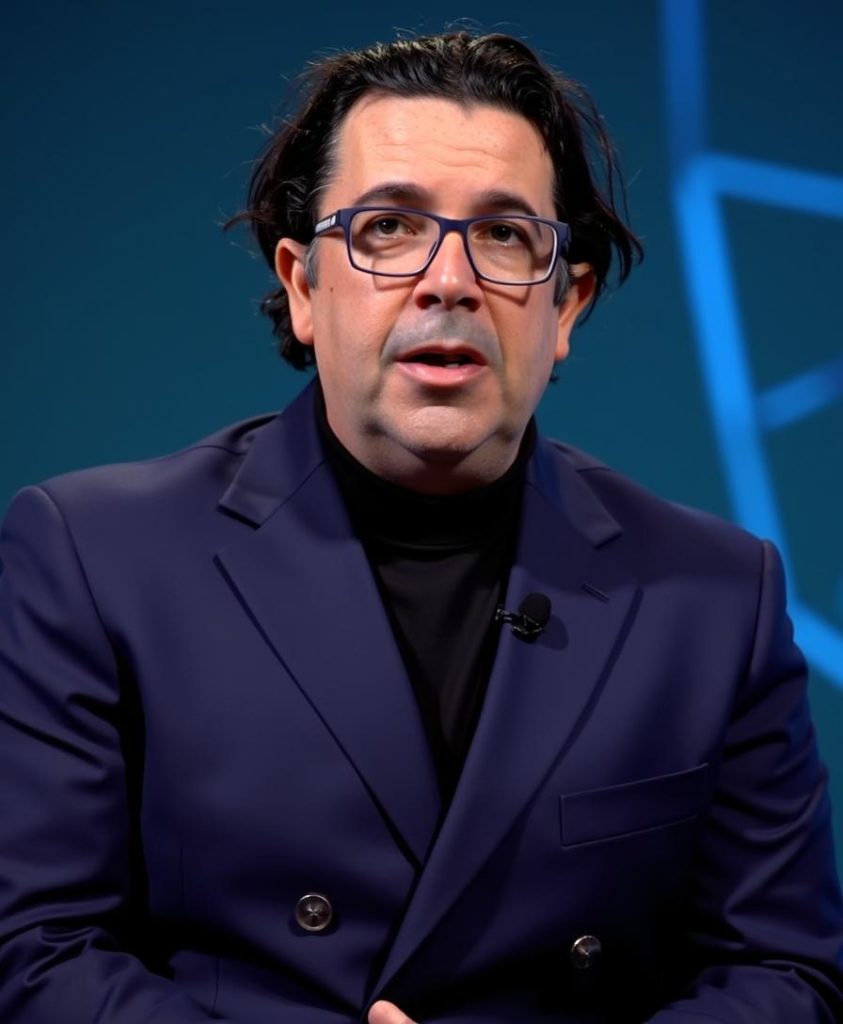
About John Guidry II
John Guidry II is a seasoned criminal defense attorney and founder of the Law Firm of John P. Guidry II, P.A., located in downtown Orlando next to the Orange County Courthouse, where he has practiced for over 30 years. With more than three decades of experience defending clients throughout Central Florida since 1993, Guidry has successfully defended thousands of cases in Orange, Seminole, Osceola, Brevard, Lake, and Volusia counties. He has built a reputation for his strategic approach to criminal defense, focusing on pretrial motions and case dismissals rather than jury trials.
Guidry earned both his Juris Doctorate and Master of Business Administration from St. Louis University in 1993. He is a member of the Florida Bar and the Florida Association of Criminal Defense Lawyers. His practice encompasses the full spectrum of Florida state criminal charges, with a particular emphasis on achieving favorable outcomes through thorough pretrial preparation and motion practice.
Beyond the courtroom, Guidry is a prolific legal educator who has authored over 400 articles on criminal defense topics. He shares his legal expertise through his popular YouTube channel, Instagram, and TikTok accounts, where he has built a substantial following of people eager to learn about the law. His educational content breaks down complex legal concepts into accessible information for the general public.
When not practicing law, Guidry enjoys tennis and pickleball, and loves to travel. Drawing from his background as a former recording studio owner and music video producer in the Orlando area, he brings a creative perspective to his legal practice and continues to apply his passion for video production to his educational content.