
Criminal Defense
Since 1993
Since 1993



By: John Guidry
A couple of articles back, I ranted about cops trumping up charges. Yes, my outrage can get boring at times, but at least I’m able to give very specific examples of why you taxpayers should be concerned about how the criminal justice system is wasting your hard-earned cash.
Here is the basic rule: We charge people for possessing drugs, not using drugs. If a cop finds someone high on cocaine in a nightclub, they cannot charge them with possession of the cocaine they already consumed. Being “high” is not a crime. Possessing the drug is.
But what happens when the line blurs? What happens when the drug is gone, but the “dust” remains?
Did the police scrape a pipe or baggie to charge you with a felony?
Microscopic dust shouldn’t be a crime. Call John today at (407) 423-1117.
In Holloman v. State, 2017 Fla. App. LEXIS 2061 (Fla. 4th DCA 2017), the defendant was arrested with a brass fitting in his pocket. It had a copper mesh inside—a makeshift pipe.
Because of that invisible speck, the State charged Holloman with Felony Possession of Cocaine. The jury convicted him.
The defense argued that Holloman didn’t know the cocaine was there. I doubt he knew. If he knew there was smokeable cocaine left, he would have smoked it, right? The Appellate Court upheld the conviction, ruling that because the pipe was “usable only for drugs,” knowledge of the residue is presumed.
I disagree. The issue isn’t Knowledge; it’s Control. By this court’s logic, I am currently possessing cocaine.
If I can’t use it, how can I possess it? Holloman couldn’t use the .01 grams of burnt ash. It was garbage. Yet, the State treated it like a bag of rocks.
Why is it so hard to fight these residue cases? Because Florida Law is rigged against you.
Note: In 2017, residue was usually cocaine. In 2026, residue is often Fentanyl, and the stakes are much higher.
1. The Fentanyl “Hazmat” Factor In 2026, police often won’t even field test residue because of the fear of Fentanyl exposure.
2. “Usable Amount” Arguments While Florida doesn’t strictly require a “usable amount” for conviction, juries in 2026 are becoming more skeptical.
3. Proving “Lack of Knowledge” Since the burden is on us, how do we prove you didn’t know about the residue?
If all they found was a dirty pipe or an empty baggie, you should face a misdemeanor charge, not a felony. Don’t let the “Science” bully you into a plea deal.
Call me at (407) 423-1117. Let’s fight the residue.
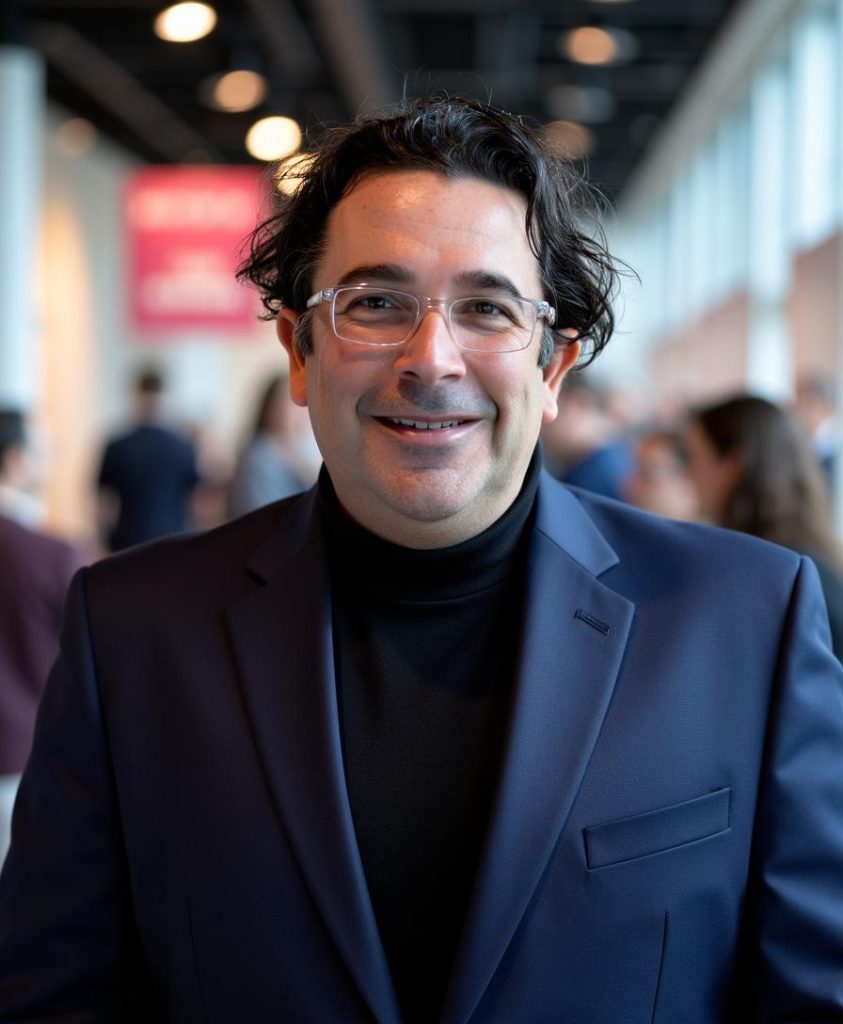
About John Guidry II
John Guidry II is a seasoned criminal defense attorney and founder of the Law Firm of John P. Guidry II, P.A., located in downtown Orlando next to the Orange County Courthouse, where he has practiced for over 30 years. With more than three decades of experience defending clients throughout Central Florida since 1993, Guidry has successfully defended thousands of cases in Orange, Seminole, Osceola, Brevard, Lake, and Volusia counties. He has built a reputation for his strategic approach to criminal defense, focusing on pretrial motions and case dismissals rather than jury trials.
Guidry earned both his Juris Doctorate and Master of Business Administration from St. Louis University in 1993. He is a member of the Florida Bar and the Florida Association of Criminal Defense Lawyers. His practice encompasses the full spectrum of Florida state criminal charges, with a particular emphasis on achieving favorable outcomes through thorough pretrial preparation and motion practice.
Beyond the courtroom, Guidry is a prolific legal educator who has authored over 400 articles on criminal defense topics. He shares his legal expertise through his popular YouTube channel, Instagram, and TikTok accounts, where he has built a substantial following of people eager to learn about the law. His educational content breaks down complex legal concepts into accessible information for the general public.
When not practicing law, Guidry enjoys tennis and pickleball, and loves to travel. Drawing from his background as a former recording studio owner and music video producer in the Orlando area, he brings a creative perspective to his legal practice and continues to apply his passion for video production to his educational content.