
Criminal Defense
Since 1993
Since 1993




By: John Guidry
Do you know how many people died last year in car accidents? Worldwide, roughly 1.3 million. How safe are airplanes compared to cars? In the same period, only a few hundred died in crashes.
Now, airplanes are interesting because some are designed to shoot down other planes, which you would think drives up the death stats. This is what makes being a fighter pilot such a tough business. Who can forget Tom Cruise losing his best friend “Goose” in Top Gun?
There are lots of theories on how to win a dogfight. The most famous book on the subject, Aerial Attack Study, was written by the guru John Boyd. When Boyd wrote it, there were two main jets: the Russian MiG and the American F-16.
The Lesson: You don’t have to be perfect. But you must be agile. If you aren’t moving in the right direction at first, change directions before your opponent knows what hit them.
Did the police seize a package addressed to you?
Don’t wait for them to knock. Call John today at (407) 423-1117.
Agility wins in business, too. Amazon started selling books; now they deliver everything. Drug dealers have learned from Amazon: The United States Postal Service is the largest drug courier on Earth.
To understand how we use legal “gymnastics” (agility) to beat a package case, let’s look at the real-life example of Sanchez v. State, 210 So. 3d 252 (Fla. 2d DCA 2017).
The Facts:
Sanchez appealed his sentence, arguing his lawyer was ineffective. Why? Because his lawyer wasn’t agile—he missed two massive opportunities to dismiss the case entirely.
1. The “Franky” Factor (The Dog)
2. The Warrantless Search
The Appellate Court sent the case back because the lawyer failed to be agile enough to challenge the government’s sloppy work.
Note: In 2017, they used dogs. In 2026, they use algorithms.
1. AI Scanners vs. Drug Dogs In 2026, the USPS uses AI Imaging Scanners at major hubs. These machines detect organic anomalies (drugs) without a dog ever sniffing the box.
2. The “Informed Delivery” Trap Proving you knew the package was coming is the hardest part for the State.
3. The “Porch Pirate” Defense With drone delivery and chaotic logistics in 2026, packages are often left in vulnerable spots.
If you are facing a drug trafficking charge involving the mail, do not just accept the first plea offer. We need to check the “dog,” the warrant, and the data.
Call me at (407) 423-1117. Let’s change direction and win.
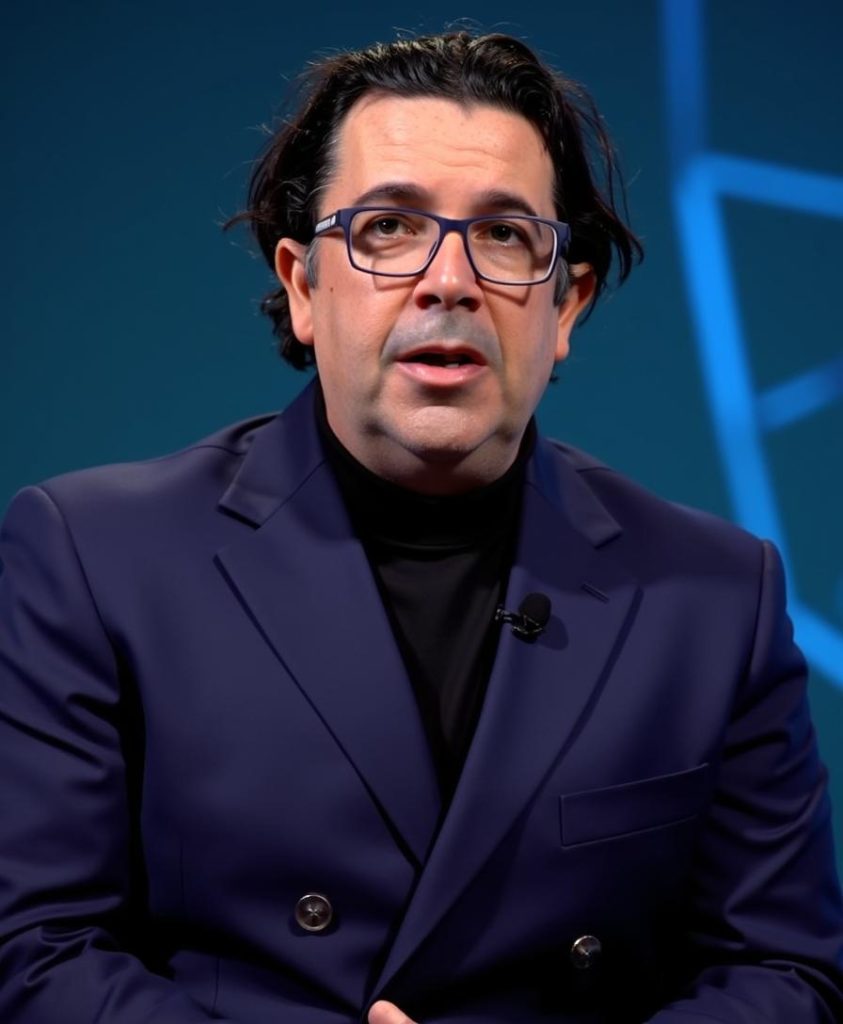
About John Guidry II
John Guidry II is a seasoned criminal defense attorney and founder of the Law Firm of John P. Guidry II, P.A., located in downtown Orlando next to the Orange County Courthouse, where he has practiced for over 30 years. With more than three decades of experience defending clients throughout Central Florida since 1993, Guidry has successfully defended thousands of cases in Orange, Seminole, Osceola, Brevard, Lake, and Volusia counties. He has built a reputation for his strategic approach to criminal defense, focusing on pretrial motions and case dismissals rather than jury trials.
Guidry earned both his Juris Doctorate and Master of Business Administration from St. Louis University in 1993. He is a member of the Florida Bar and the Florida Association of Criminal Defense Lawyers. His practice encompasses the full spectrum of Florida state criminal charges, with a particular emphasis on achieving favorable outcomes through thorough pretrial preparation and motion practice.
Beyond the courtroom, Guidry is a prolific legal educator who has authored over 400 articles on criminal defense topics. He shares his legal expertise through his popular YouTube channel, Instagram, and TikTok accounts, where he has built a substantial following of people eager to learn about the law. His educational content breaks down complex legal concepts into accessible information for the general public.
When not practicing law, Guidry enjoys tennis and pickleball, and loves to travel. Drawing from his background as a former recording studio owner and music video producer in the Orlando area, he brings a creative perspective to his legal practice and continues to apply his passion for video production to his educational content.