
Criminal Defense
Since 1993
Since 1993




By: John Guidry
You’re caught with 50 rocks of crack cocaine. Are you guilty of Possession with Intent to Sell—or are you guilty of Mere Possession?
Answer: Depends on who YOU are, right? If you are Charlie Sheen, a cop may reason that the 50 rocks are for a wild weekend of personal use. If you are poor and live in the inner city, a cop will likely arrest you for the enhanced charge of Possession with Intent to Sell or Deliver (a second-degree felony).
Is this fair? No. You might be thinking, ‘Whatever happened to good ‘ol fashioned police work where they actually watch you sell drugs? Well, who has the time for that nowadays?
Charged with dealing just because you bought in bulk?
Volume is not intent. Call John today at (407) 423-1117.
In Harris v. State, 72 So. 3d 804 (Fla. 4th DCA 2011), Angelia Harris was convicted of Possession with Intent to Sell within 1,000 feet of a park.
The Ruling: Thankfully, the Appeals Court didn’t buy this load of crap. (I’ve seen some Orange County judges buy this heap, but that’s a story for another day—off the record). The Court reversed the conviction, knocking it down to simple possession.
Why?
Note: In 2011, they looked for physical scales. In 2026, they look for digital transactions.
1. The “Venmo” Intent In Harris, the lack of a crack pipe hurt her, but the lack of cash/scales helped her. Today, physical cash is rare.
2. Fentanyl Weight Thresholds While Harris was about crack, in 2026, the biggest issue is Fentanyl.
3. “Constructive Intent” Prosecutors are now using text messages to prove “Constructive Intent.”
If the police are guessing that you are a dealer just because of the quantity you had, we can use the Harris case to fight back.
Call me at (407) 423-1117. Let’s look at the evidence.
Possession with the Intent to Sell or Deliver. What Is This?
I’ve selected this video because it features John Guidry himself explaining the specific legal distinctions of “Possession with Intent to Sell” in Florida, which directly reinforces the blog post’s analysis.
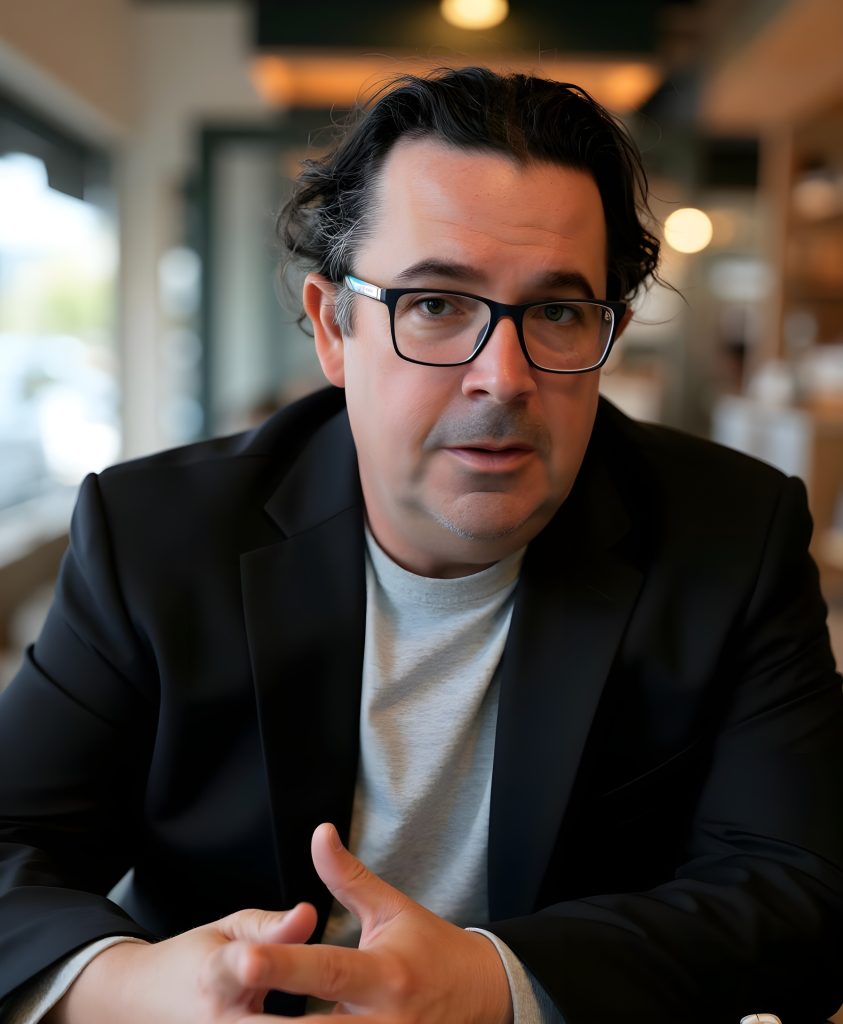
About John Guidry II
John Guidry II is a seasoned criminal defense attorney and founder of the Law Firm of John P. Guidry II, P.A., located in downtown Orlando next to the Orange County Courthouse, where he has practiced for over 30 years. With more than three decades of experience defending clients throughout Central Florida since 1993, Guidry has successfully defended thousands of cases in Orange, Seminole, Osceola, Brevard, Lake, and Volusia counties. He has built a reputation for his strategic approach to criminal defense, focusing on pretrial motions and case dismissals rather than jury trials.
Guidry earned both his Juris Doctorate and Master of Business Administration from St. Louis University in 1993. He is a member of the Florida Bar and the Florida Association of Criminal Defense Lawyers. His practice encompasses the full spectrum of Florida state criminal charges, with a particular emphasis on achieving favorable outcomes through thorough pretrial preparation and motion practice.
Beyond the courtroom, Guidry is a prolific legal educator who has authored over 400 articles on criminal defense topics. He shares his legal expertise through his popular YouTube channel, Instagram, and TikTok accounts, where he has built a substantial following of people eager to learn about the law. His educational content breaks down complex legal concepts into accessible information for the general public.
When not practicing law, Guidry enjoys tennis and pickleball, and loves to travel. Drawing from his background as a former recording studio owner and music video producer in the Orlando area, he brings a creative perspective to his legal practice and continues to apply his passion for video production to his educational content.