
Criminal Defense
Since 1993
Since 1993




By: John Guidry
There are over 3,000 arrests in Orange County every month. Add to that number the arrests in Seminole and Osceola counties, and it is easy to see why Central Florida’s criminal court system is so congested.
So, what happens after all of these cases are resolved? For some citizens, the closing of a criminal case is just the beginning of the battle to get their life back. Even with a “Not Guilty” verdict or a dropped charge, there is still a damaged reputation that needs repair.
This war is fought on two fronts:
Is your past haunting your future?
A judge cannot deny your clean slate without a valid reason. Call John today at (407) 423-1117.
When I started defending cases in 1993, sealing a record was easy because the world wasn’t digital. Today, the Clerks of Court publish everything online.
In Shanks v. State, 82 So. 3d 1226 (Fla. 1st DCA 2012), the defendant pled to Possession of Cocaine and received a Withhold of Adjudication (meaning he was not convicted).
The Victory: The Appeals Court overturned the denial. They ruled:
“Once an applicant satisfies the criteria… the applicant is presumptively entitled to an order to seal or expunge court records.”
The Lesson: A judge cannot deny you just because they feel like it. They must have a factual basis supported by evidence.
But what if the charge is really serious? Can a judge deny you then? In Cole v. State, 941 So. 2d 549 (Fla. 1st DCA 2006), the defendant was charged with Lewd or Lascivious Molestation—a terrible accusation.
The Victory: The Appeals Court overturned this denial too. Citing Godoy v. State, they held:
“The court will make its decision based on consideration of all the facts and circumstances, rather than deciding the petition solely on the nature of the charge.”
The Lesson: Just because the accusation was ugly doesn’t mean you lose your right to privacy. If you were found Not Guilty, the “nature of the charge” cannot be used against you.
Note: Since these cases were decided, Florida has modernized its approach to criminal records.
1. Automatic Sealing (The “Clean Slate” Logic) As of 2026, if your charges were Dropped or Dismissed (no plea entered), the Clerk of Court in many counties now automatically seals the record.
2. The Mugshot Website Crackdown Florida law now prohibits mugshot websites from charging you a fee to remove your photo.
3. The Private Database Lag Even after we win the legal seal (forcing the government to delete the record), private background check companies (Data Brokers) may still have your old info cached.
If a judge denied your petition without explanation, or because they didn’t like the “nature” of your charge, they likely violated the law. We can appeal that decision.
Call me at (407) 423-1117. Let’s force them to follow the rules.
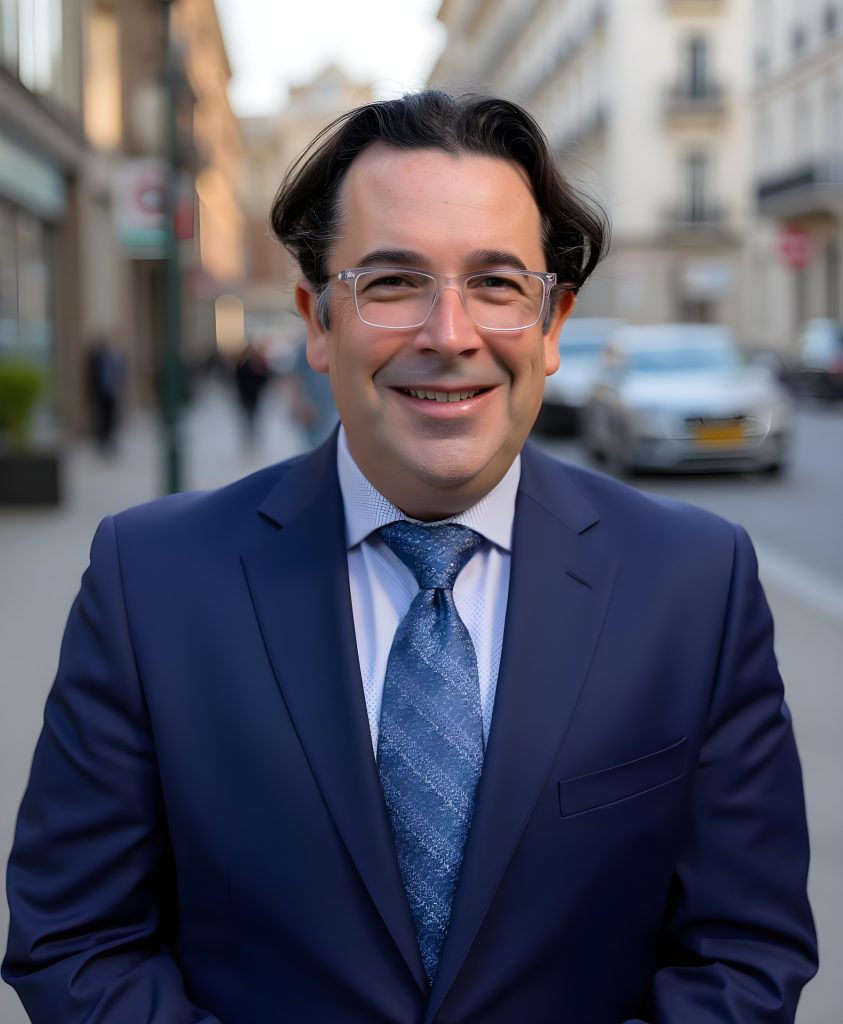
About John Guidry II
John Guidry II is a seasoned criminal defense attorney and founder of the Law Firm of John P. Guidry II, P.A., located in downtown Orlando next to the Orange County Courthouse, where he has practiced for over 30 years. With more than three decades of experience defending clients throughout Central Florida since 1993, Guidry has successfully defended thousands of cases in Orange, Seminole, Osceola, Brevard, Lake, and Volusia counties. He has built a reputation for his strategic approach to criminal defense, focusing on pretrial motions and case dismissals rather than jury trials.
Guidry earned both his Juris Doctorate and Master of Business Administration from St. Louis University in 1993. He is a member of the Florida Bar and the Florida Association of Criminal Defense Lawyers. His practice encompasses the full spectrum of Florida state criminal charges, with a particular emphasis on achieving favorable outcomes through thorough pretrial preparation and motion practice.
Beyond the courtroom, Guidry is a prolific legal educator who has authored over 400 articles on criminal defense topics. He shares his legal expertise through his popular YouTube channel, Instagram, and TikTok accounts, where he has built a substantial following of people eager to learn about the law. His educational content breaks down complex legal concepts into accessible information for the general public.
When not practicing law, Guidry enjoys tennis and pickleball, and loves to travel. Drawing from his background as a former recording studio owner and music video producer in the Orlando area, he brings a creative perspective to his legal practice and continues to apply his passion for video production to his educational content.