
Criminal Defense
Since 1993
Since 1993



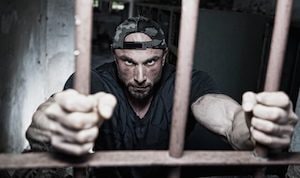
By: John Guidry
Believe it or not, judges pre-judge their cases.
No, I’m not talking about actual guilt or innocence, but rather sentencing options. After 18+ years of defending criminal cases in Orlando, it is common to hear rumors in the hallway: “Well, this judge doesn’t do PTI,” or “That judge never grants Youthful Offender status.”
Is that legal? Can a judge just decide that a legislative sentencing option will NEVER be imposed in their courtroom, regardless of the facts?
Did a judge refuse to even consider your request for a lighter sentence?
They are required to listen. If they didn’t, we can appeal. Call John today at (407) 423-1117.
First of all, good luck getting a judge to admit their bias on the record! Most are too smart for that. But not all judges are that lucky. In the case of Pressley v. State, 73 So. 3d 834 (Fla. 1st DCA 2011), one judge said the quiet part out loud.
Oops. We’ve all had moments like this where we speak without thinking. It’s just that when a judge does it, it’s on the permanent record.
The law is quite simple: It is fundamental error for a judge to refuse to consider a legislatively authorized sentencing option as a matter of policy.
The Legislature writes the sentencing laws, not the judges. If the Legislature says “Boot Camp” (technically the Youthful Offender Basic Training Program) is an option, the judge must consider it. They don’t have to grant it, but they cannot have a personal policy that bans it entirely.
The Result: The Appeals Court sent the case back down to the trial court for resentencing.
Note: Since Pressley, judges have learned their lesson. You rarely hear them say “I never do X” anymore.
1. The “Silent” Policy Problem In 2026, judges are much savvier. Instead of saying, “I don’t do Youthful Offender sentences,” they will sit quietly, listen to our argument, nod their head, and then say: “I have considered the motion, and based on the specific facts of this case, I am denying it.”
This makes it much harder to appeal because they didn’t admit to a blanket policy.
2. Is “Boot Camp” Still a Thing? The “Boot Camp” Pressley asked for is formally known as the Basic Training Program.
If you feel your judge has a personal vendetta against probation or diversion programs, we need to look at the record. If they let their bias slip, we can get a new sentencing hearing.
Call me at (407) 423-1117. Let’s fight for a fair sentence.
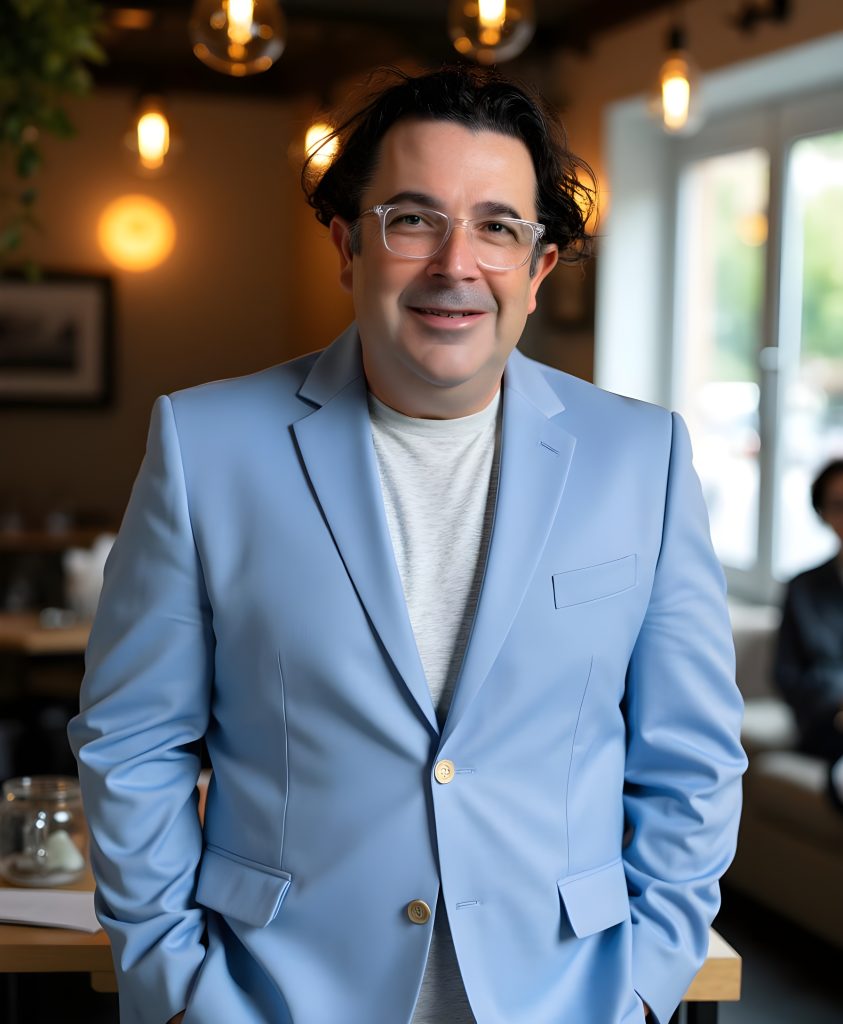
About John Guidry II
John Guidry II is a seasoned criminal defense attorney and founder of the Law Firm of John P. Guidry II, P.A., located in downtown Orlando next to the Orange County Courthouse, where he has practiced for over 30 years. With more than three decades of experience defending clients throughout Central Florida since 1993, Guidry has successfully defended thousands of cases in Orange, Seminole, Osceola, Brevard, Lake, and Volusia counties. He has built a reputation for his strategic approach to criminal defense, focusing on pretrial motions and case dismissals rather than jury trials.
Guidry earned both his Juris Doctorate and Master of Business Administration from St. Louis University in 1993. He is a member of the Florida Bar and the Florida Association of Criminal Defense Lawyers. His practice encompasses the full spectrum of Florida state criminal charges, with a particular emphasis on achieving favorable outcomes through thorough pretrial preparation and motion practice.
Beyond the courtroom, Guidry is a prolific legal educator who has authored over 400 articles on criminal defense topics. He shares his legal expertise through his popular YouTube channel, Instagram, and TikTok accounts, where he has built a substantial following of people eager to learn about the law. His educational content breaks down complex legal concepts into accessible information for the general public.
When not practicing law, Guidry enjoys tennis and pickleball, and loves to travel. Drawing from his background as a former recording studio owner and music video producer in the Orlando area, he brings a creative perspective to his legal practice and continues to apply his passion for video production to his educational content.