
Criminal Defense
Since 1993
Since 1993




By: John Guidry
The general public is not always privy to the day-to-day shenanigans of Florida’s criminal justice system. Fear not, that’s why I’m here.
Some charges, on their face, are simply sketchy.
Loitering is frequently abused by police. If an officer sees a person “wandering” in a neighborhood where they “don’t belong,” a loitering charge is often close at hand. But I’m not the only one who thinks this charge is bogus—our appeals courts agree.
Arrested for “Loitering” because you were in the wrong place at the wrong time?
Suspicion isn’t a crime. Call John today at (407) 423-1117.
The real-life example of the day comes from S.K.W. v. State, 112 So. 3d 775 (Fla. 2d DCA 2013).
The crime of Loitering and Prowling (Florida Statute 856.021) requires the State to prove two things:
The most important words are “Immediate Concern.”
Why S.K.W. Won: The Appeals Court threw out the conviction.
Because the girls identified themselves and didn’t flee, the officer’s “alarm” was based on pure speculation, not facts.
The best part of this case isn’t just the win; it’s how the judges blasted the law itself.
Note: While S.K.W. is still good law, the Florida Legislature has armed the police with new weapons to target people “hanging around.”
1. The “Anti-Camping” Law (HB 1365) Effective October 2024, Florida banned “public camping or sleeping.”
2. A 2025 Victory: Saintil v. State Despite the crackdown, the courts are holding the line on traditional Loitering cases. In March 2025, the 4th DCA overturned a conviction in Saintil v. State.
The Bottom Line: Police are under pressure to “clean up the streets,” which means more bogus Loitering arrests. But as Saintil proves, we can beat these charges if you didn’t flee and didn’t refuse to identify yourself.
Call me at (407) 423-1117. Let’s make them prove the “Imminent Threat.”
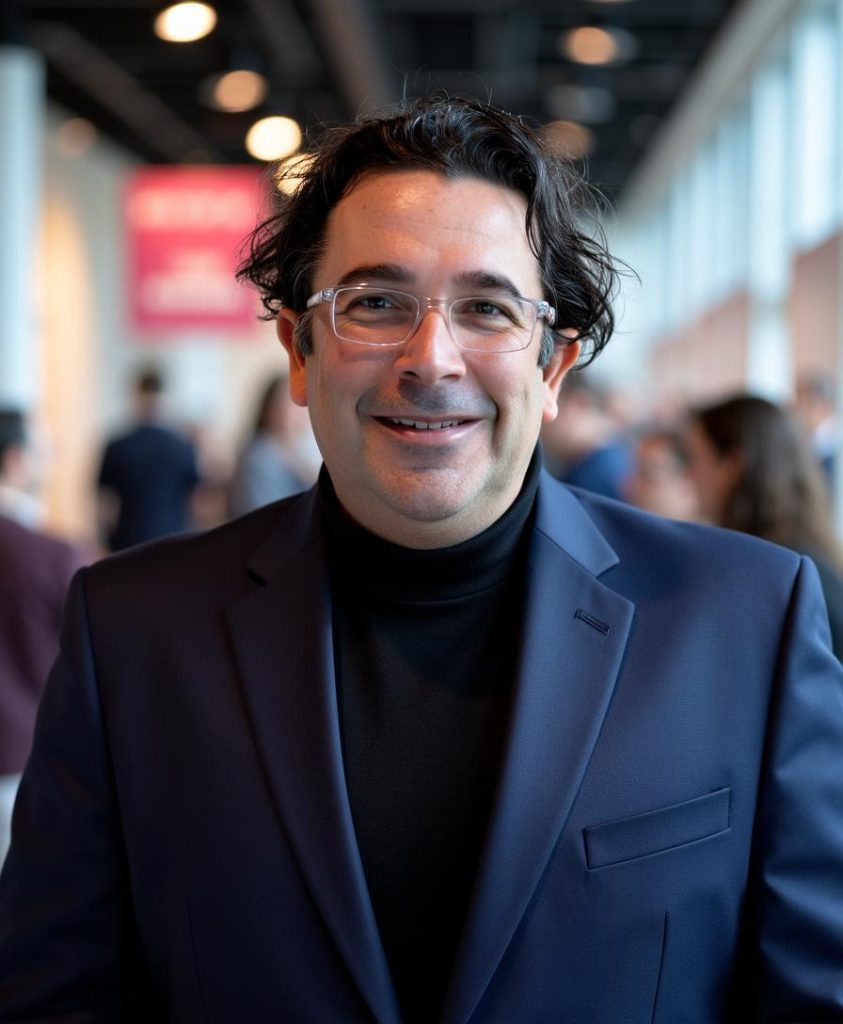
About John Guidry II
John Guidry II is a seasoned criminal defense attorney and founder of the Law Firm of John P. Guidry II, P.A., located in downtown Orlando next to the Orange County Courthouse, where he has practiced for over 30 years. With more than three decades of experience defending clients throughout Central Florida since 1993, Guidry has successfully defended thousands of cases in Orange, Seminole, Osceola, Brevard, Lake, and Volusia counties. He has built a reputation for his strategic approach to criminal defense, focusing on pretrial motions and case dismissals rather than jury trials.
Guidry earned both his Juris Doctorate and Master of Business Administration from St. Louis University in 1993. He is a member of the Florida Bar and the Florida Association of Criminal Defense Lawyers. His practice encompasses the full spectrum of Florida state criminal charges, with a particular emphasis on achieving favorable outcomes through thorough pretrial preparation and motion practice.
Beyond the courtroom, Guidry is a prolific legal educator who has authored over 400 articles on criminal defense topics. He shares his legal expertise through his popular YouTube channel, Instagram, and TikTok accounts, where he has built a substantial following of people eager to learn about the law. His educational content breaks down complex legal concepts into accessible information for the general public.
When not practicing law, Guidry enjoys tennis and pickleball, and loves to travel. Drawing from his background as a former recording studio owner and music video producer in the Orlando area, he brings a creative perspective to his legal practice and continues to apply his passion for video production to his educational content.