
Criminal Defense
Since 1993
Since 1993




By: John Guidry
For 18 years, I’ve been defending criminal cases in Orlando, Seminole, and Osceola (yawn). I’ve seen my share of folks get ‘whacked’ for going to trial.
Back in the 90s, my first felony assignment was with Judge Richard Conrad. He was an excellent judge, and I learned more in his courtroom in one week than in three years of law school. One lesson I learned immediately: If you lose at trial, watch out.
On my very first day, I watched a defendant turn down one month of probation for a battery. After the jury convicted him of aggravated battery with a firearm, he received over 20 years in prison.
The cardinal rule, according to “Florida law,” is that a defendant cannot be punished merely for electing his constitutional right to have a jury trial. But what happens when the judge “hears some facts at trial” that change his mind?
Worried about the “Trial Tax” if you reject a plea offer?
You need an attorney who can evaluate the judge’s history and the real risks. Call John today at (407) 423-1117.
Let’s look at Karras v. State, 60 So. 3d 1186 (Fla. 4th DCA 2011).
The Ruling: The appeals court overturned the sentence. They found the trial court “crossed over the line of fundamental error” by sentencing the defendant to more time than the State requested based on the defendant’s testimony.
You asked the million-dollar question: If the judge simply kept his trap shut, could he have given a longer sentence?
The uncomfortable answer is: Probably.
If a judge is smart enough to stay silent, proving “vindictive sentencing” becomes much harder.
The difference between a plea deal and a trial sentence can be decades of your life. You need an attorney who knows which judges punish trial-goers and which ones play fair.
Call me at (407) 423-1117. Let’s calculate your odds.
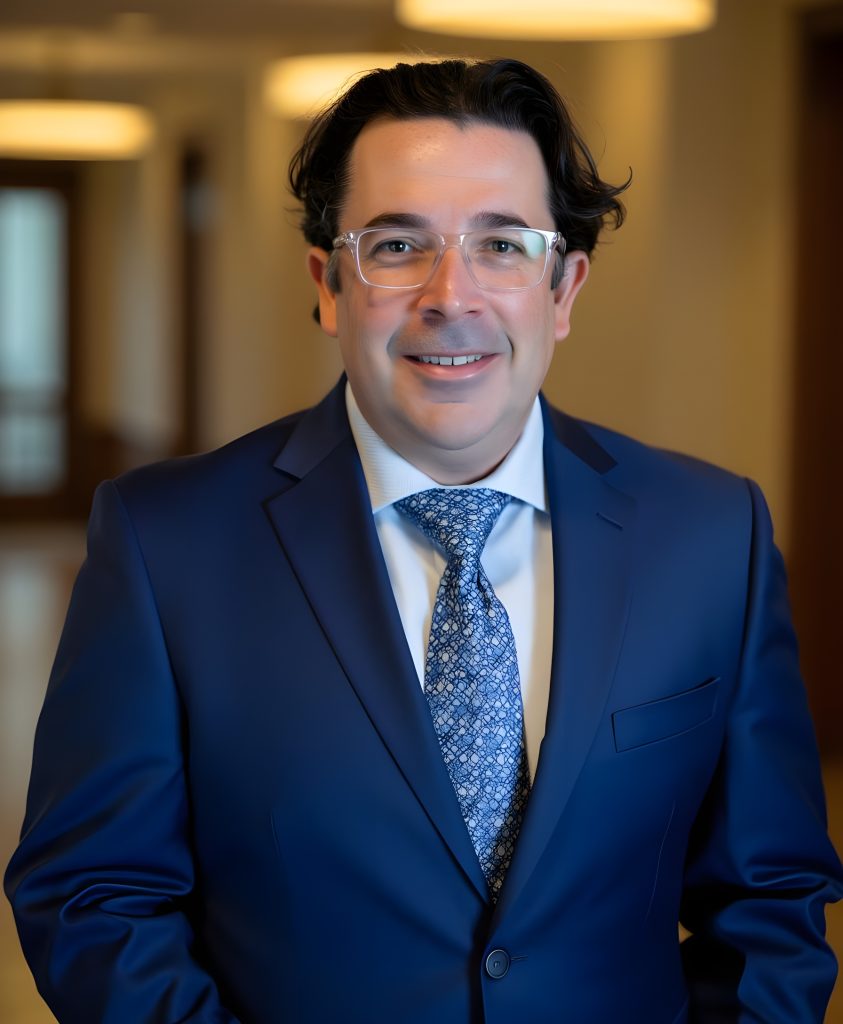
About John Guidry II
John Guidry II is a seasoned criminal defense attorney and founder of the Law Firm of John P. Guidry II, P.A., located in downtown Orlando next to the Orange County Courthouse, where he has practiced for over 30 years. With more than three decades of experience defending clients throughout Central Florida since 1993, Guidry has successfully defended thousands of cases in Orange, Seminole, Osceola, Brevard, Lake, and Volusia counties. He has built a reputation for his strategic approach to criminal defense, focusing on pretrial motions and case dismissals rather than jury trials.
Guidry earned both his Juris Doctorate and Master of Business Administration from St. Louis University in 1993. He is a member of the Florida Bar and the Florida Association of Criminal Defense Lawyers. His practice encompasses the full spectrum of Florida state criminal charges, with a particular emphasis on achieving favorable outcomes through thorough pretrial preparation and motion practice.
Beyond the courtroom, Guidry is a prolific legal educator who has authored over 400 articles on criminal defense topics. He shares his legal expertise through his popular YouTube channel, Instagram, and TikTok accounts, where he has built a substantial following of people eager to learn about the law. His educational content breaks down complex legal concepts into accessible information for the general public.
When not practicing law, Guidry enjoys tennis and pickleball, and loves to travel. Drawing from his background as a former recording studio owner and music video producer in the Orlando area, he brings a creative perspective to his legal practice and continues to apply his passion for video production to his educational content.