
Criminal Defense
Since 1993
Since 1993




By: John Guidry
Ever been under a lot of pressure and emotion, so much so that you said something you shouldn’t have? It happens.
But when a couple’s night of drinking turns ugly, the consequences are far more severe than a simple regret. To see what happens when we bring two such people together, take a look at the equations below:
Or, how about this equally valid equation:
[Early Morning Hours] + [Yelling] = [Neighbors Call Police] = [Arrest]
As our community caretakers, the police are in an awful position. They can’t leave the drunk couple together for fear of escalating troubles. Most police departments have a policy of taking someone—anyone—to jail just to cool off the situation. Thus, they find a reason to arrest either the man or the woman, creating a domestic violence battery case out of thin air.
However, once the tempers calm down and the alcohol metabolizes, many folks regret their drunken sworn statements. This leads us to the messy legal world of recantation.
Is the alleged victim in your case trying to drop the charges?
It’s not as simple as signing a waiver. Call John today at (407) 423-1117 to understand the legal hurdles.
In the midst of an alcohol-soaked dispute, cops fight hard to get a “sworn” statement. But once clearheaded, can the witness tell the truth without fear of perjury?
When an alleged victim decides to “recant” (take back their story), it spells trouble for the prosecution. Why? Because of a legal principle established in Morton v. State, 689 So. 2d 259 (Fla. 1997).
As stated in Hernandez v. State, 31 So. 3d 873 (Fla. 4th DCA 2010), this practice is considered abusive. If the State knows the victim will testify favorably for the defendant, they shouldn’t be calling her just to read her old police report to the jury.
Defense Tip: This is why it is critical for us to file a Motion in Limine to exclude the victim as a witness if we know they are going to recant. We have to put the State on notice.
But what if the witness doesn’t say “It didn’t happen,” but instead says “I don’t remember”?
This brings us to the sticky concept of “Past Recollection Recorded.”
In McNeal v. State, 129 So. 3d 426 (Fla. 1st DCA 2013), the court dealt with exactly this issue.
The Danger: This ruling allows the State to bypass the Morton rule. If the witness “forgets,” the State might get to use the police report as evidence against you, effectively impeaching their own witness without breaking the rules.
Domestic violence cases in Orange and Seminole County are rarely as simple as “he said, she said.” They are complex evidentiary battles.
Battery cases can be tricky. Our courts are split on how to handle these statements, and you need an attorney who knows the difference between Morton and McNeal.
If you are facing domestic violence charges and the truth has been lost in the legal shuffle, let’s find it.
Call me at (407) 423-1117. Let’s clear your name.
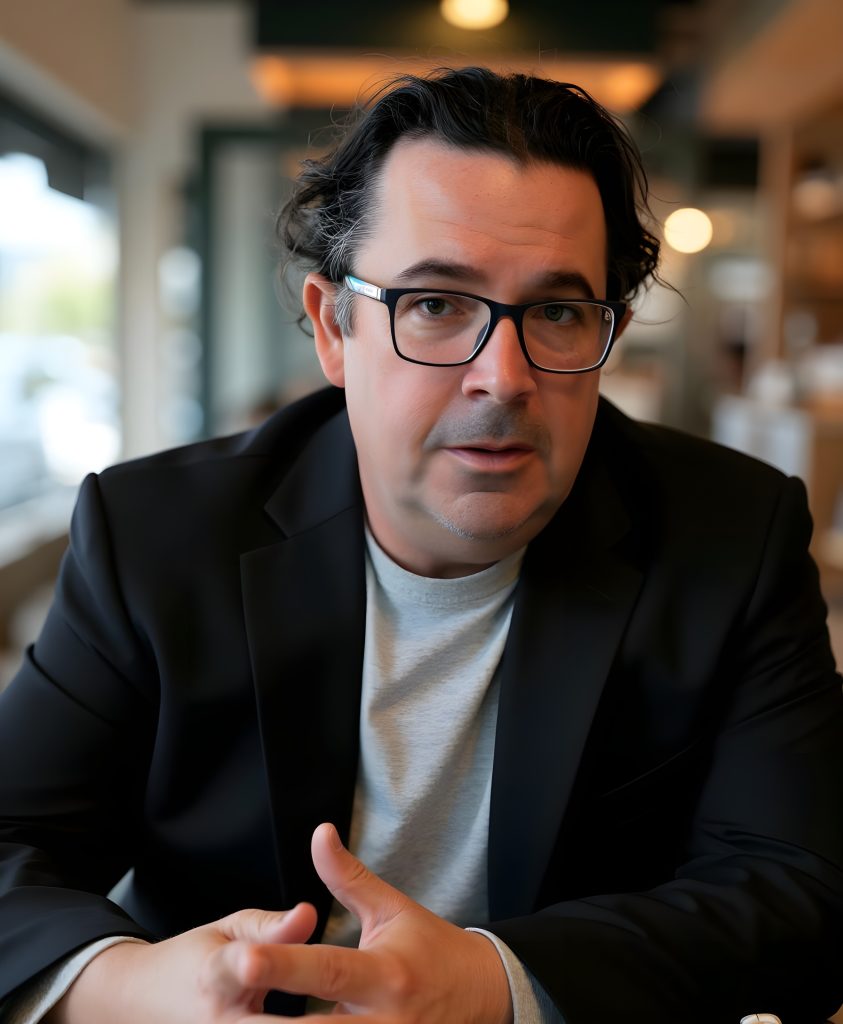
About John Guidry II
John Guidry II is a seasoned criminal defense attorney and founder of the Law Firm of John P. Guidry II, P.A., located in downtown Orlando next to the Orange County Courthouse, where he has practiced for over 30 years. With more than three decades of experience defending clients throughout Central Florida since 1993, Guidry has successfully defended thousands of cases in Orange, Seminole, Osceola, Brevard, Lake, and Volusia counties. He has built a reputation for his strategic approach to criminal defense, focusing on pretrial motions and case dismissals rather than jury trials.
Guidry earned both his Juris Doctorate and Master of Business Administration from St. Louis University in 1993. He is a member of the Florida Bar and the Florida Association of Criminal Defense Lawyers. His practice encompasses the full spectrum of Florida state criminal charges, with a particular emphasis on achieving favorable outcomes through thorough pretrial preparation and motion practice.
Beyond the courtroom, Guidry is a prolific legal educator who has authored over 400 articles on criminal defense topics. He shares his legal expertise through his popular YouTube channel, Instagram, and TikTok accounts, where he has built a substantial following of people eager to learn about the law. His educational content breaks down complex legal concepts into accessible information for the general public.
When not practicing law, Guidry enjoys tennis and pickleball, and loves to travel. Drawing from his background as a former recording studio owner and music video producer in the Orlando area, he brings a creative perspective to his legal practice and continues to apply his passion for video production to his educational content.