
Criminal Defense
Since 1993
Since 1993



By: John Guidry
Quote of the Day:
“What I recommend you to do is to notice that we do not have any assurance that our lives will go on indefinitely. I have just said that change comes suddenly and unexpectedly, and so does death. What do you think we can do about it?”
— Carlos Castaneda, Journey to Ixtlan123
For you folks out there with a “business purposes only” license, did anyone ever explain what the heck those three words mean? Most people think “business” means “work,” and they end up terrified to leave 4the house for anything else. But in t5he eyes of the law, “business”6 isn’t just about your paycheck; it’s about your survival.
If you read Florida Statute § 322.271, it is pretty vague, but here is the breakdown:
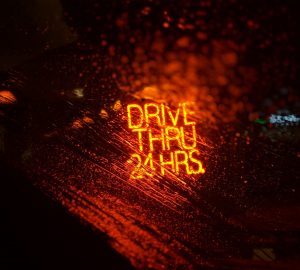
So, let’s say you have a BPO license. Can you drive to the grocery store? Can you drive to the gym to work out? Can you take your kids to school? Would getting dinner at a Burger King drive-thru violate your license?
Caught driving for a “non-business” purpose in Orlando? Don’t let a misunderstanding of the law lead to a criminal record. Call John Guidry at (407) 423-1117.
Our real-life case for today is State of Florida v. Michael Quiroli, 9 Fla. L. Weekly Supp. 780b. Mr. Quiroli was stopped by the Delray Beach Police while driving to Burger King for dinner and was charged with the misdemeanor crime of violating a driver’s license restriction.
Quiroli complained that his criminal conviction was invalid because his drive to get dinner was necessary to “maintain his livelihood”—one of the catch-all phrases found in the statute.7
The court had to define “livelihood.” They determined that maintaining a livelihood means doing things related to “housing, feeding, clothing, health, etc.” As such, driving to obtain food—even at a Burger King—is driving to maintain your livelihood.8
A similar result was reached in Allart v. State, 9 Fla. L. Weekly 499c, where a driver was caught heading to McDonald’s. The court found that a BPO license permits a driver to shop for the basic necessities of life.
As we move through 2025, the “maintenance of livelihood” clause remains the ultimate defense, but cops in Orange and Seminole County are still looking for reasons to pull you over. Here is a quick guide:
| ALLOWED (BPO) | FORBIDDEN (BPO) |
| Work & On-the-Job Driving | The Movies or Concerts |
| Grocery Shopping / Fast Food | Visiting Friends (Social) |
| Dropping Kids at School | The Beach or Theme Parks |
| Church & Religious Services | Sporting Events |
| Doctor & Pharmacy Trips | Driving to a Bar |
Can you drive to the gym? Possibly. If your doctor has advised you to exercise for a specific health condition (like high blood pressure or rehab), it could be considered a medical purpose.
The justice system is harsh, and it is “sad but true” that a simple trip for a Whopper can land you in the back of a patrol car if you don’t know your rights. I’ve been defending Central Florida drivers and protecting their “war stories” since 1993. If you’ve been charged with violating your license restrictions, let’s hold the State to the actual definition of “livelihood.”
License in trouble? Call John at (407) 423-1117.
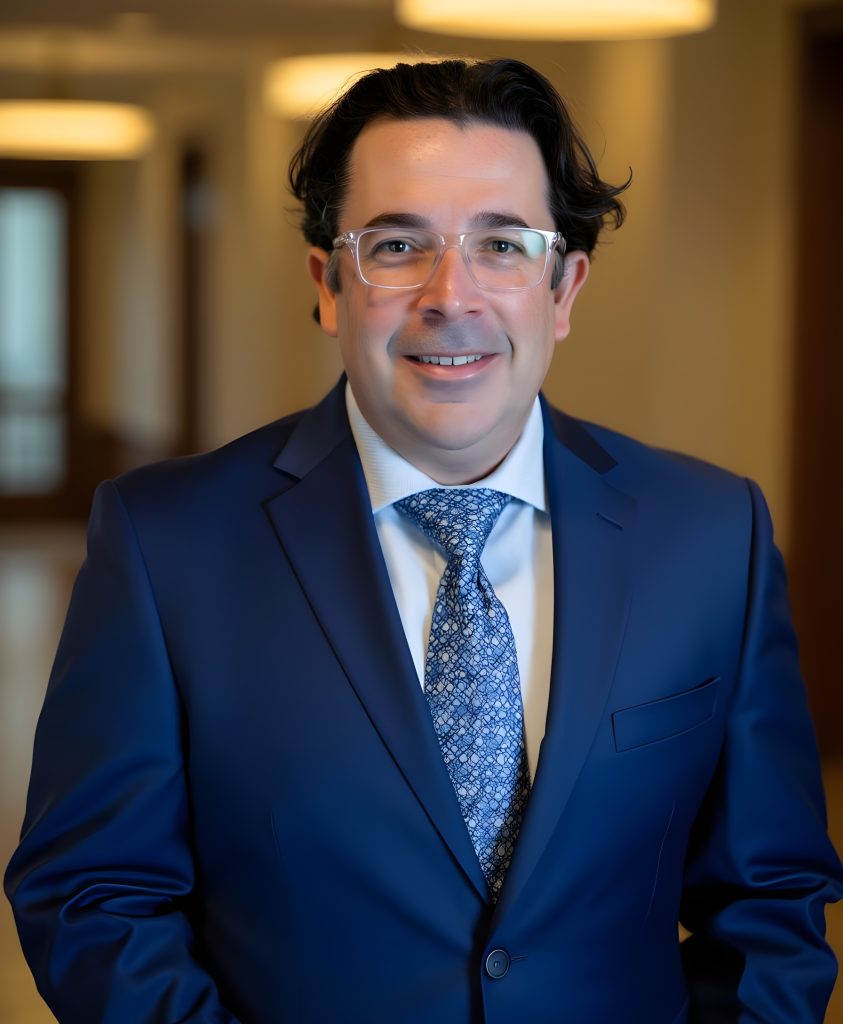
About John Guidry II
John Guidry II is a seasoned criminal defense attorney and founder of the Law Firm of John P. Guidry II, P.A., located in downtown Orlando next to the Orange County Courthouse, where he has practiced for over 30 years. With more than three decades of experience defending clients throughout Central Florida since 1993, Guidry has successfully defended thousands of cases in Orange, Seminole, Osceola, Brevard, Lake, and Volusia counties. He has built a reputation for his strategic approach to criminal defense, focusing on pretrial motions and case dismissals rather than jury trials.
Guidry earned both his Juris Doctorate and Master of Business Administration from St. Louis University in 1993. He is a member of the Florida Bar and the Florida Association of Criminal Defense Lawyers. His practice encompasses the full spectrum of Florida state criminal charges, with a particular emphasis on achieving favorable outcomes through thorough pretrial preparation and motion practice.
Beyond the courtroom, Guidry is a prolific legal educator who has authored over 400 articles on criminal defense topics. He shares his legal expertise through his popular YouTube channel, Instagram, and TikTok accounts, where he has built a substantial following of people eager to learn about the law. His educational content breaks down complex legal concepts into accessible information for the general public.
When not practicing law, Guidry enjoys tennis and pickleball, and loves to travel. Drawing from his background as a former recording studio owner and music video producer in the Orlando area, he brings a creative perspective to his legal practice and continues to apply his passion for video production to his educational content.