
Criminal Defense
Since 1993
Since 1993




By John Guidry
A serious talk with a doctor can change your outlook on life. But a serious talk with the police? That can end it. I’ve seen it time and again in my 30 years as a trial lawyer: detectives are professional interrogators. They aren’t your friends, and they aren’t looking for “the truth”—they’re looking for a conviction. They are masters at getting people to say things that aren’t true, leading to false confessions that have sent innocent people to prison for decades.
It reminds me of my Mom’s kitchen table. She used to say, “John, if you don’t have anything nice to say, don’t say anything at all.” In criminal defense, I take that one step further. Even if you do have something nice to say, don’t say it. The most important piece of legal advice you will ever receive is just two words: Shut up.
The multi-part saga of Rodney Squire is a “sad but true” example of why your words are the most dangerous weapon the State has against you.
Have the police asked you to “tell your side of the story” in Orlando? Do not speak. Anything you say can and will be twisted. Call John at (407) 423-1117 immediately.
The case of Squire v. State, 193 So. 3d 105 (Fla. 4th DCA 2016), is a perfect illustration of how police “blabbing” and double-speak can lead to an illegal confession.
It started with a tragic crime—a shooting in a parking lot. When police brought Rodney Squire (“J.R.”) in for questioning, he did the right thing at first: he denied everything. But then the detective started the “insane” game of implied promises.
The detective essentially asked him: “What’s a better charge? A robbery attempt or two attempted murders? If you tell me it was accidental, that’s a big difference.” This is a classic “implied promise of leniency.” After a recorded call to his grandmother (pro tip: they are always listening), Squire caved and confessed.
Based on that confession, Squire was hit with a 25-year minimum mandatory sentence. But we fought back. On appeal, the court ruled that the confession was involuntary.
Without the confession, the State’s case was weak. Squire was given a second chance: 6 years of supervised probation. But this is where the story gets tough. While on probation, he was arrested for a new battery. In 2017, a judge found him in violation of his probation (VOP) and sentenced him to 20 years in prison. He squandered his second chance and ended up right back where he started.
The justice system is harsh, and it is a “failure of proof” when a case relies on a confession that was tricked out of a defendant. Whether you are in Orange, Seminole, Osceola, Lake, Brevard, or Volusia County, the rules of the road are the same: stay silent and let your lawyer do the talking.
I’ve been protecting the rights of Central Florida citizens since 1993. If you or a loved one is being pressured by detectives, don’t give them the ammunition they need to lock you away.
Police want to talk? Call John first at (407) 423-1117.
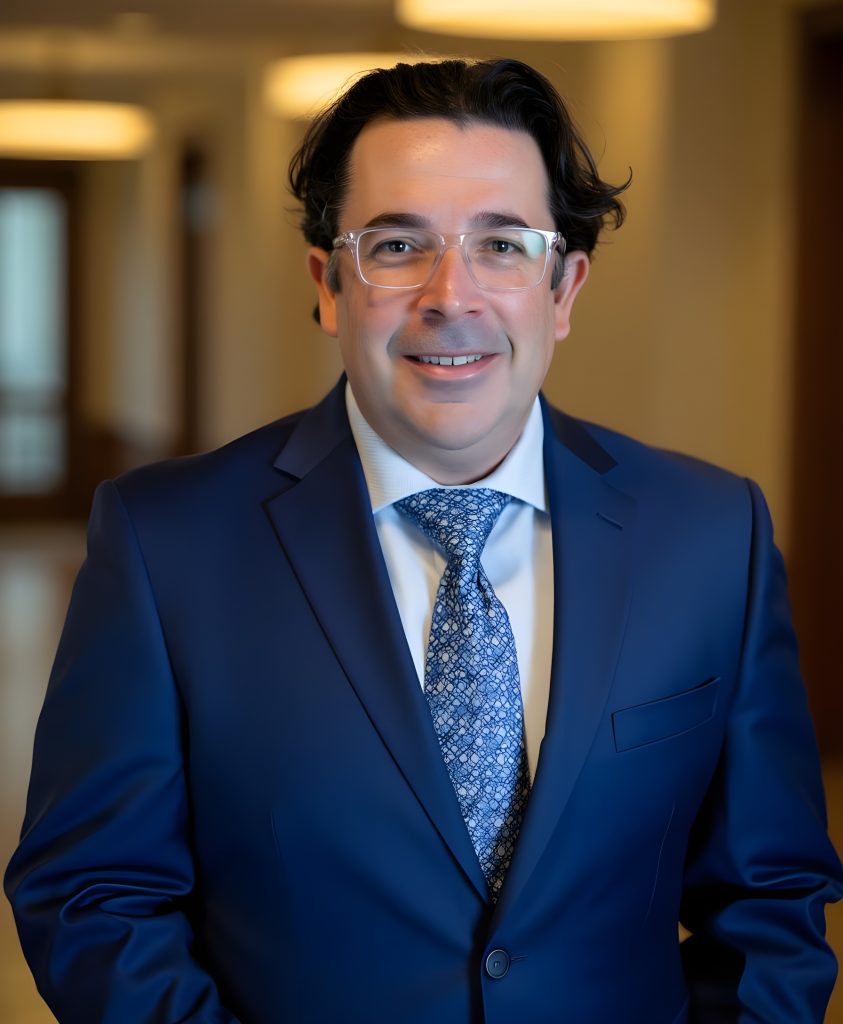
About John Guidry II
John Guidry II is a seasoned criminal defense attorney and founder of the Law Firm of John P. Guidry II, P.A., located in downtown Orlando next to the Orange County Courthouse, where he has practiced for over 30 years. With more than three decades of experience defending clients throughout Central Florida since 1993, Guidry has successfully defended thousands of cases in Orange, Seminole, Osceola, Brevard, Lake, and Volusia counties. He has built a reputation for his strategic approach to criminal defense, focusing on pretrial motions and case dismissals rather than jury trials.
Guidry earned both his Juris Doctorate and Master of Business Administration from St. Louis University in 1993. He is a member of the Florida Bar and the Florida Association of Criminal Defense Lawyers. His practice encompasses the full spectrum of Florida state criminal charges, with a particular emphasis on achieving favorable outcomes through thorough pretrial preparation and motion practice.
Beyond the courtroom, Guidry is a prolific legal educator who has authored over 400 articles on criminal defense topics. He shares his legal expertise through his popular YouTube channel, Instagram, and TikTok accounts, where he has built a substantial following of people eager to learn about the law. His educational content breaks down complex legal concepts into accessible information for the general public.
When not practicing law, Guidry enjoys tennis and pickleball, and loves to travel. Drawing from his background as a former recording studio owner and music video producer in the Orlando area, he brings a creative perspective to his legal practice and continues to apply his passion for video production to his educational content.