
Criminal Defense
Since 1993
Since 1993




By: John Guidry
Ever get the feeling that your government is not being truthful? Like the old saying goes: How can you tell when a politician is lying? His lips are moving.
The Promise: FDLE (Florida Department of Law Enforcement) spends millions tracking sex offenders. Their website claims this information is provided “to help interested citizens educate themselves about the possible presence of such offenders in their local communities.”
The Lie: FDLE’s website is full of people who are NOT present in our local communities. It is a “Hotel California” registry: You can check out any time you like, but you can never leave.
Did you visit Florida and get stuck on the Registry?
FDLE won’t remove you without a fight. Call John today at (407) 423-1117.
I received a call from a PhD student living out of state.
The Shock: Years later, he discovered his photo and information are permanently published on the FDLE website.
How does a tourist become a resident? Florida Statute 775.21 (The Florida Sexual Predators Act) has a trap door.
The Waste: Taxpayers are paying to track people who aren’t here. If FDLE knows you left (because you showed them your return flight ticket), why tell the community you are still here? It creates a false sense of alarm and wastes resources that should be spent tracking actual dangerous fugitives.
Note: In the original article, I mentioned FDLE’s refusal to remove tourists. In 2026, the situation has become a bureaucratic nightmare involving passports and third-party apps.
1. The “Aggregate” Rule is stricter The law defines “Temporary Residence” as 3 or more days in the aggregate during a calendar year.
2. Removal Is Possible (But Difficult) Contrary to FDLE’s initial refusal in the story above, it is legally possible to get off the Florida registry if you reside out of state, but it requires a specific legal battle.
3. International Megan’s Law (The Passport Mark) In 2026, the federal International Megan’s Law puts a unique identifier on the passports of registered sex offenders.
4. Vigilante Apps Even if we force FDLE to remove your name, third-party “Safety Apps” and background check sites scrape FDLE’s data daily.
If you have a past offense—even if you are off the registry in your home state—Florida treats you like a Tier 3 predator the moment you cross the state line. Call us before you book your flight.
Call me at (407) 423-1117. Let’s check your registration status.
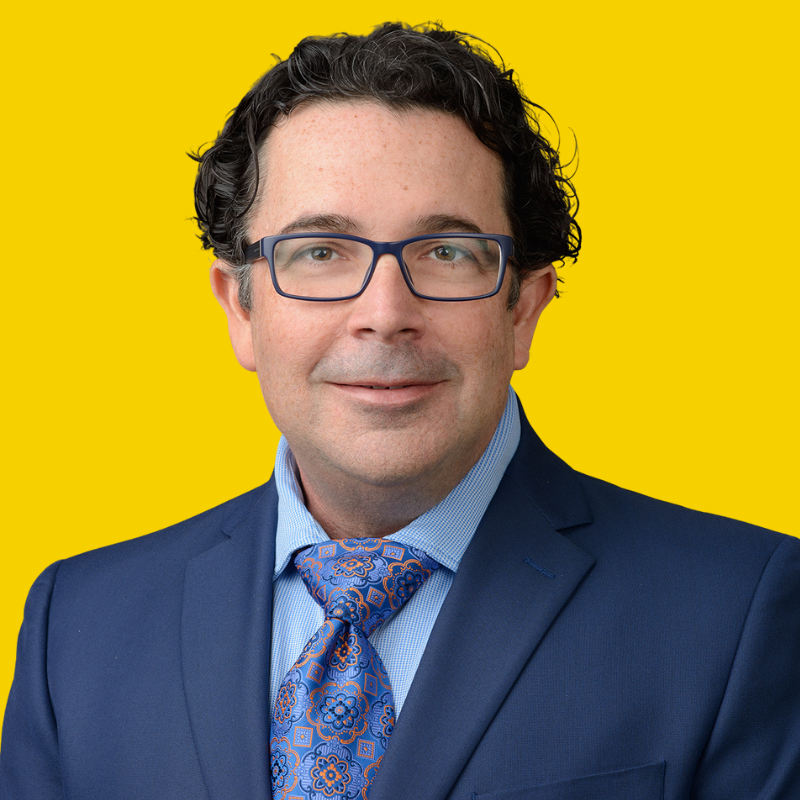
About John Guidry II
John Guidry II is a seasoned criminal defense attorney and founder of the Law Firm of John P. Guidry II, P.A., located in downtown Orlando next to the Orange County Courthouse, where he has practiced for over 30 years. With more than three decades of experience defending clients throughout Central Florida since 1993, Guidry has successfully defended thousands of cases in Orange, Seminole, Osceola, Brevard, Lake, and Volusia counties. He has built a reputation for his strategic approach to criminal defense, focusing on pretrial motions and case dismissals rather than jury trials.
Guidry earned both his Juris Doctorate and Master of Business Administration from St. Louis University in 1993. He is a member of the Florida Bar and the Florida Association of Criminal Defense Lawyers. His practice encompasses the full spectrum of Florida state criminal charges, with a particular emphasis on achieving favorable outcomes through thorough pretrial preparation and motion practice.
Beyond the courtroom, Guidry is a prolific legal educator who has authored over 400 articles on criminal defense topics. He shares his legal expertise through his popular YouTube channel, Instagram, and TikTok accounts, where he has built a substantial following of people eager to learn about the law. His educational content breaks down complex legal concepts into accessible information for the general public.
When not practicing law, Guidry enjoys tennis and pickleball, and loves to travel. Drawing from his background as a former recording studio owner and music video producer in the Orlando area, he brings a creative perspective to his legal practice and continues to apply his passion for video production to his educational content.